

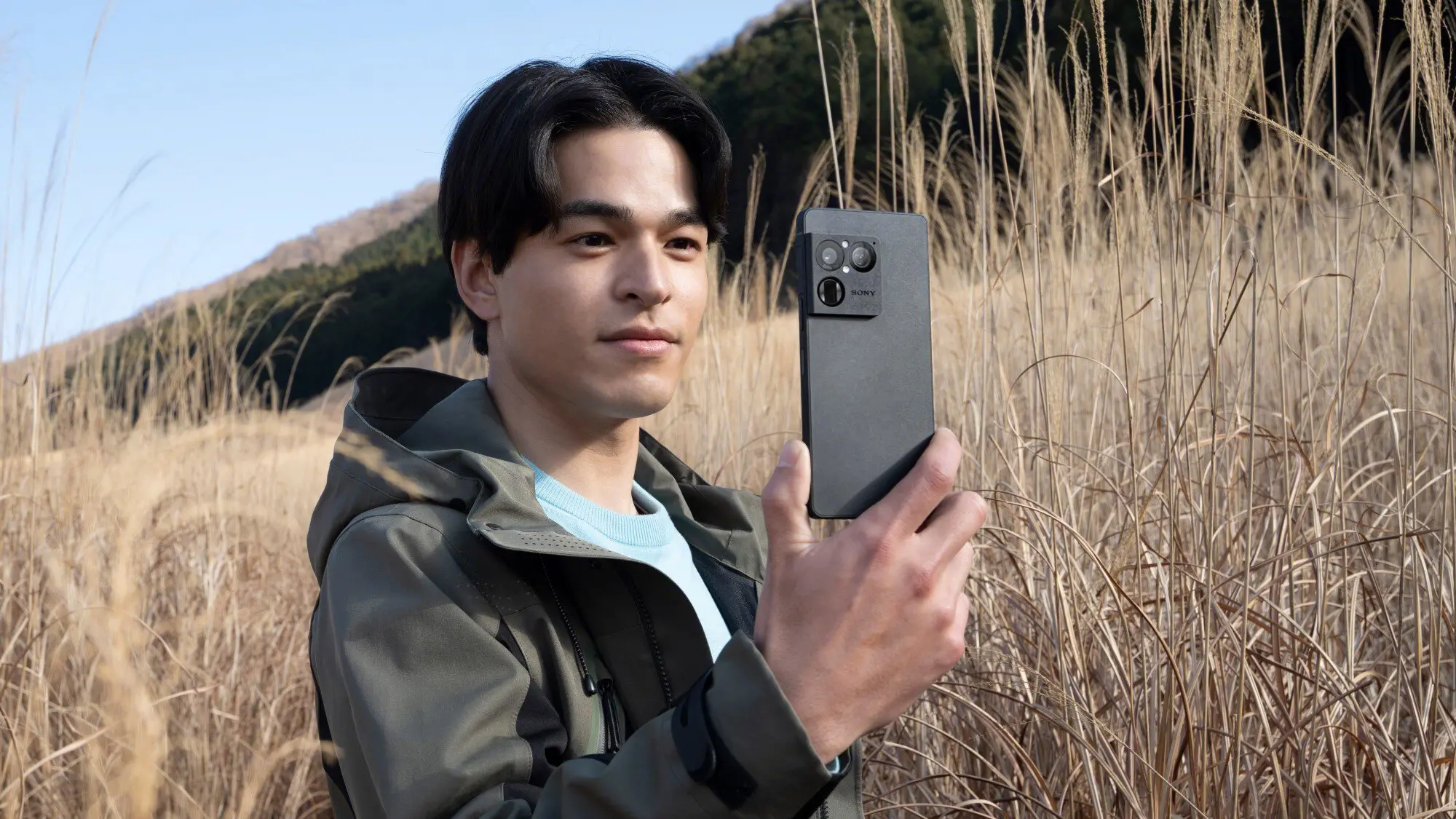
Headline: Sony puts the spotlight on camera upgrades with Xperia 1 VIII launch
Key Facts
- Launch of the Xperia 1 VIII, Sony’s 2026 Android flagship.
- Powered by Qualcomm Snapdragon 8 Elite Gen 5 processor.
- Main camera upgrade: telephoto sensor jumps to 1/1.56-inch (48MP), roughly four times larger than its predecessor.
- Ultrawide and wide cameras remain at 48MP with 1/1.56-inch and 1/1.35-inch sensors respectively.
- New textured finish called “ORE” inspired by natural stones.
- 5,000mAh battery with 30W wired charging, same as Xperia 1 VII.
- 12GB/256GB base config, with a 16GB/1TB variant exclusive to Sony’s online store.
- 6.5-inch FHD+ OLED display, 120Hz refresh rate.
- 3.5mm headphone jack, microSD slot, stereo speakers with balanced output.
- Software: AI Camera Assistant for optimal settings; 4 years of Android OS updates, 6 years of security patches.
- Pricing: €1,499 / £1,399 (no increase over last year). Available in Graphite Black, Iolite Silver, Garnet Red, and Native Gold (1TB edition).
- Pre-orders include a free pair of WH-1000XM6 headphones.
- No official US release; available in Europe.
The smartphone market in 2026 presents a curious paradox. On one hand, we are witnessing groundbreaking foldable designs like Samsung’s TriFold that blur the line between phone and tablet. On the other, longtime players such as Asus have exited the arena, and OnePlus is rumored to be reconsidering its commitment. Amid this turbulence, Sony has managed to persist, regularly updating its Xperia lineup despite modest market share. The Xperia 1 series has always appealed to enthusiasts who prize manual camera controls, audio fidelity, and expandable storage. But last year’s Xperia 1 VII left some fans disappointed with its incremental camera improvements. In response, Sony has focused its efforts on making the Xperia 1 VIII a more compelling photographic tool.
The centerpiece of the Xperia 1 VIII is undoubtedly the telephoto camera. Sony swapped the relatively small sensor of the VII for a much larger 1/1.56-inch 48MP unit. This is roughly four times the area, which dramatically improves light capture. The result should be cleaner low-light shots and better dynamic range at 70mm equivalent focal length. Additionally, the 48MP sensor can crop to 12MP output to effectively double the zoom reach to 140mm. This approach mirrors what some competitors do with high-resolution sensors, but Sony’s implementation promises more natural bokeh and less reliance on computational tricks.
The ultrawide and wide cameras remain unchanged from the Xperia 1 VII: a 48MP, f/2.0 ultrawide with a 1/1.56-inch sensor, and a 48MP, f/1.9 wide camera with a 1/1.35-inch sensor. While some may have hoped for upgrades across the board, the telephoto upgrade alone addresses the most vocal criticism from last year. Sony is betting that a dedicated large-sensor telephoto will satisfy its core audience of photography enthusiasts who prefer optical quality over digital zoom.
Beyond the camera module, the Xperia 1 VIII also gets a design refresh. The rear camera bump has a new, tighter arrangement of lenses, and the phone gains a textured finish called “ORE,” intended to evoke natural stone. The phone retains the 3.5mm headphone jack, microSD slot, and a physical shutter button – features that have become increasingly rare in flagship smartphones. Sony also reworked the stereo speakers to provide balanced left and right output, a subtle but appreciated improvement for media consumption without headphones.
Under the hood, the Snapdragon 8 Elite Gen 5 brings significant performance and efficiency gains. The base model ships with 12GB of RAM and 256GB of storage, but for the first time, Sony offers a high-end variant with 16GB RAM and 1TB storage, though it is exclusive to the Sony online store. This configuration may attract power users who want maximum headroom for multitasking and local media storage.
The display remains a 6.5-inch FHD+ LTPO OLED with a 120Hz refresh rate, protected by Gorilla Glass Victus 2 on the front and frosted Victus on the back. The battery is unchanged at 5,000mAh with 30W charging – modest by today’s standards, but Sony claims two days of typical usage thanks to the efficient chipset and optimized software.
On the software front, Sony is leaning into AI but with a practical twist. The new AI Camera Assistant analyzes the scene and suggests optimal settings for manual shooters, functioning as a starting point rather than a fully automatic solution. There’s also improved multi-frame RAW processing that works across all three rear cameras. The company promises four years of Android OS updates and six years of security patches, which is competitive with other premium brands.
Availability remains limited. As with the previous generation, Sony has no plans to sell the Xperia 1 VIII in the United States. European customers can pre-order starting at €1,499 (about $1,760) – the same price as last year – and those who pre-order get a pair of WH-1000XM6 headphones. Color options include Graphite Black, Iolite Silver, Garnet Red, and a special Native Gold for the 1TB edition.
The Xperia 1 VIII may not revolutionize the smartphone industry, but it represents a focused response to the desires of Sony’s loyal fanbase: a better telephoto camera, consistent premium features, and a design that stands apart from the glass slabs of competitors. Whether that is enough to win back shoppers who migrated to other brands remains to be seen.
Source: Android Authority News