

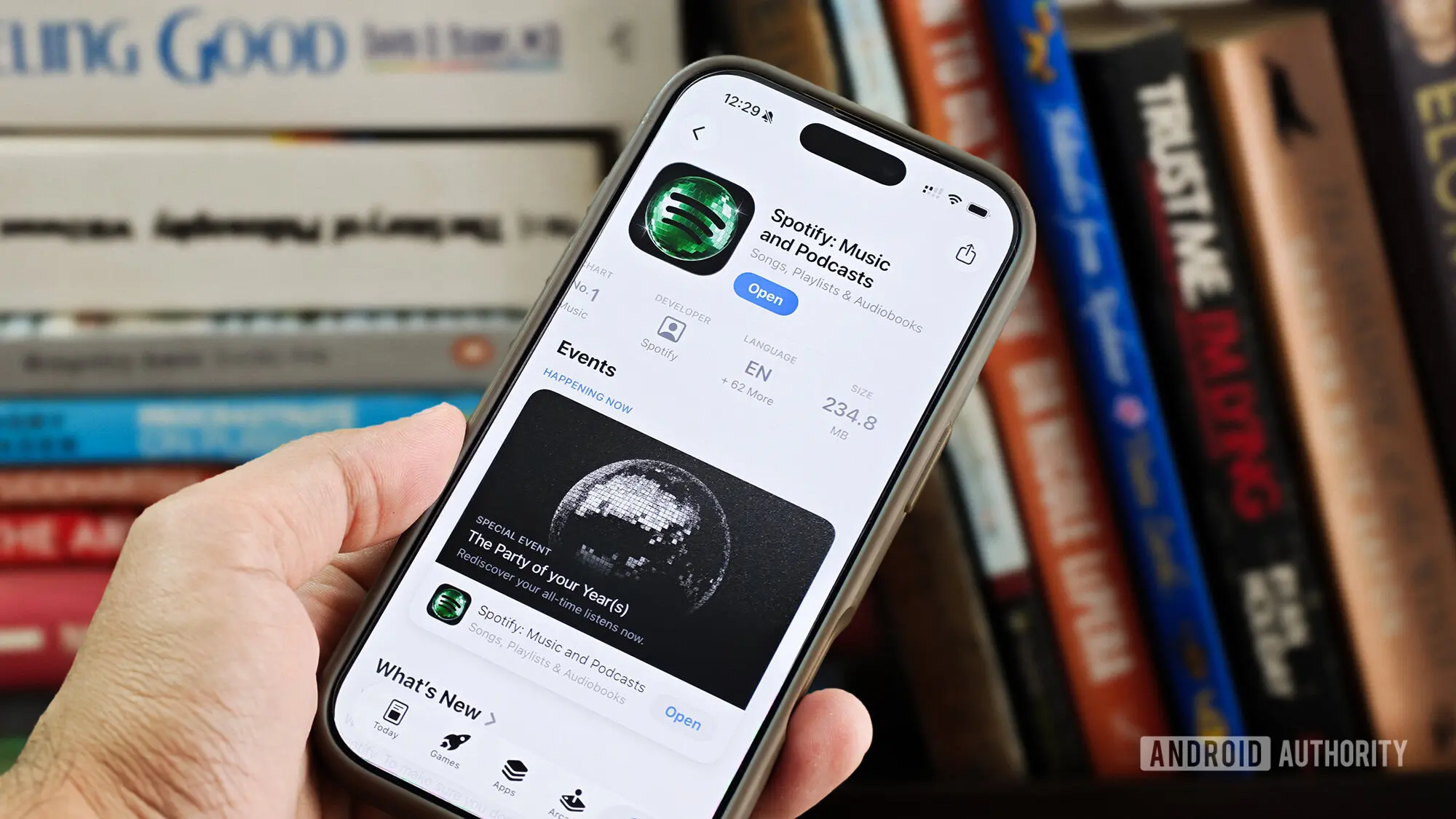
Spotify recently celebrated its 20th anniversary with a special app icon—a shimmering emerald-green disco ball. The temporary change was meant to commemorate two decades of music streaming innovation, but it didn't exactly resonate with users. Within days, the company announced that the disco ball icon would be rolled back next week, citing mixed feedback and low user approval.
The icon debuted as a surprise for Spotify users on both iOS and Android, though Android users were quickly disappointed to learn that the update never reached their devices. Spotify confirmed that the disco ball was only available for iOS, leaving Android users to watch the debate from the sidelines. On social media, reactions ranged from enthusiasm to outright disdain. Many users praised the icon's uniqueness, noting that it broke the monotony of glossy, uniform app icons on iOS. Others criticized it as distracting and out of place, with one popular tweet simply stating, "It's literally a disco ball."
Spotify's decision to revert the icon is not unique. The company has a history of testing limited-edition icons and features, often pulling them after short periods. For example, in 2019, Spotify introduced a green-and-pink icon for Pride Month, which was well-received but later removed. In 2020, a neon version appeared for the launch of Spotify's "Sound of the City" series, but it too vanished after a few weeks. Each time, Spotify cites user feedback as the primary reason for the rollback, but the strategy also serves to gauge user engagement and generate buzz.
User Reactions and the Broader Context
The disco ball icon's reception highlights a tension between novelty and consistency. For many users, app icons are a personal expression of their device's aesthetic. Changing the icon, especially temporarily, can feel intrusive or jarring. Some users even suggested that Spotify should offer the disco ball as a paid feature, akin to customizable icons on other platforms. Others were indifferent, noting that they rarely see the app icon anyway because they use Spotify mostly via CarPlay, smart speakers, or widgets.
This backlash also reflects a larger trend in tech: companies increasingly use app icon changes as marketing stunts, but they risk alienating users who prefer stability. Google, for instance, has occasionally changed its app icons for holidays, but usually offers an option to keep the standard icon. Spotify's approach—forcing a temporary change—may have backfired because it didn't provide an easy opt-out.
Meanwhile, Android users felt left out of the conversation entirely. Spotify did not update the icon on Android, citing technical limitations or a desire to focus on iOS. This decision drew criticism from Android loyalists who felt overlooked. However, some Android users expressed relief, calling the disco ball "ugly" and thanking Spotify for sparing them the trouble.
How to Keep the Disco Ball Icon (Manual Method)
For those who loved the icon and want to keep it despite the rollback, there is a workaround. On iOS, users can create a custom shortcut using the Shortcuts app. Here's how: first, take a screenshot of the disco ball icon or find a high-resolution image online. Then, open the Shortcuts app, tap the "+" button, and select "Add Action." Search for "Open App" and choose Spotify from the list. Next, tap the three-dot menu in the top corner, select "Add to Home Screen," and assign the disco ball image as the icon. This creates a shortcut that looks like the disco ball but opens Spotify normally. It's a bit tedious but perfectly replicates the effect.
Another option is to use third-party icon packs or custom launcher apps on Android, though Spotify didn't originally provide the disco ball for that platform. Users can also download icon themes from sites like Reddit or r/spotify, though these are unofficial and may not update with app changes. Spotify has not announced any plans to release the disco ball as a permanent alternative icon, so manual methods are the only way to preserve it.
The Party of the Year(s) Event: An Unwrapped Twist
Alongside the icon, Spotify launched an interactive event called "Party of the Year(s)," where users can view their listening habits over the past 20 years. Similar to the annual Spotify Wrapped, this event provides insights such as top artists, most-played songs, and genre preferences from 2004 to 2024. Users can access the microsite at spotify.com/20years and see personalized stats, including the first song they ever streamed on Spotify if they've been users since the early days.
The event is time-limited, likely ending when the disco ball icon is removed next week. Spotify hasn't specified an exact cutoff, but users are encouraged to check their stats soon. For long-time users, the experience can be nostalgic, revealing how their music taste has evolved over two decades. Newer users can see highlights from the years they've been active. The data is presented in a colorful, animated format with shareable cards, similar to Wrapped.
Spotify's Recommendation System: A Separate Issue
While the icon debate dominates headlines, many users have voiced more fundamental concerns about Spotify's algorithm. The platform's recommendations often converge on popular mainstream tracks and artists, leaving niche or emerging talent underrepresented. Users complain that Discover Weekly and Daily Mixes often suggest the same songs or artists they've already heard, rather than expanding their musical horizons. This issue is separate from the icon controversy but reflects a broader dissatisfaction with Spotify's user experience.
Spotify has defended its algorithm by noting that it prioritizes user engagement metrics, which naturally favor popular content. However, critics argue that the platform could do more to surface hidden gems, especially given its vast catalog of over 100 million tracks. Competing services like Apple Music and Tidal have invested in curated playlists and human editors, while Spotify relies heavily on machine learning. The result is a service that feels generic to some power users.
The icon rollback is a minor episode in Spotify's history, but it underscores the company's ongoing struggle to balance innovation with user preferences. Whether it's a temporary logo or a recommendation algorithm, Spotify will continue to experiment—and sometimes fail—as it seeks to stay relevant in a crowded streaming market. For now, the disco ball will soon be gone, but its brief appearance has sparked conversations about design, branding, and the meaning of personalization in the digital age.
Source: Android Authority News