

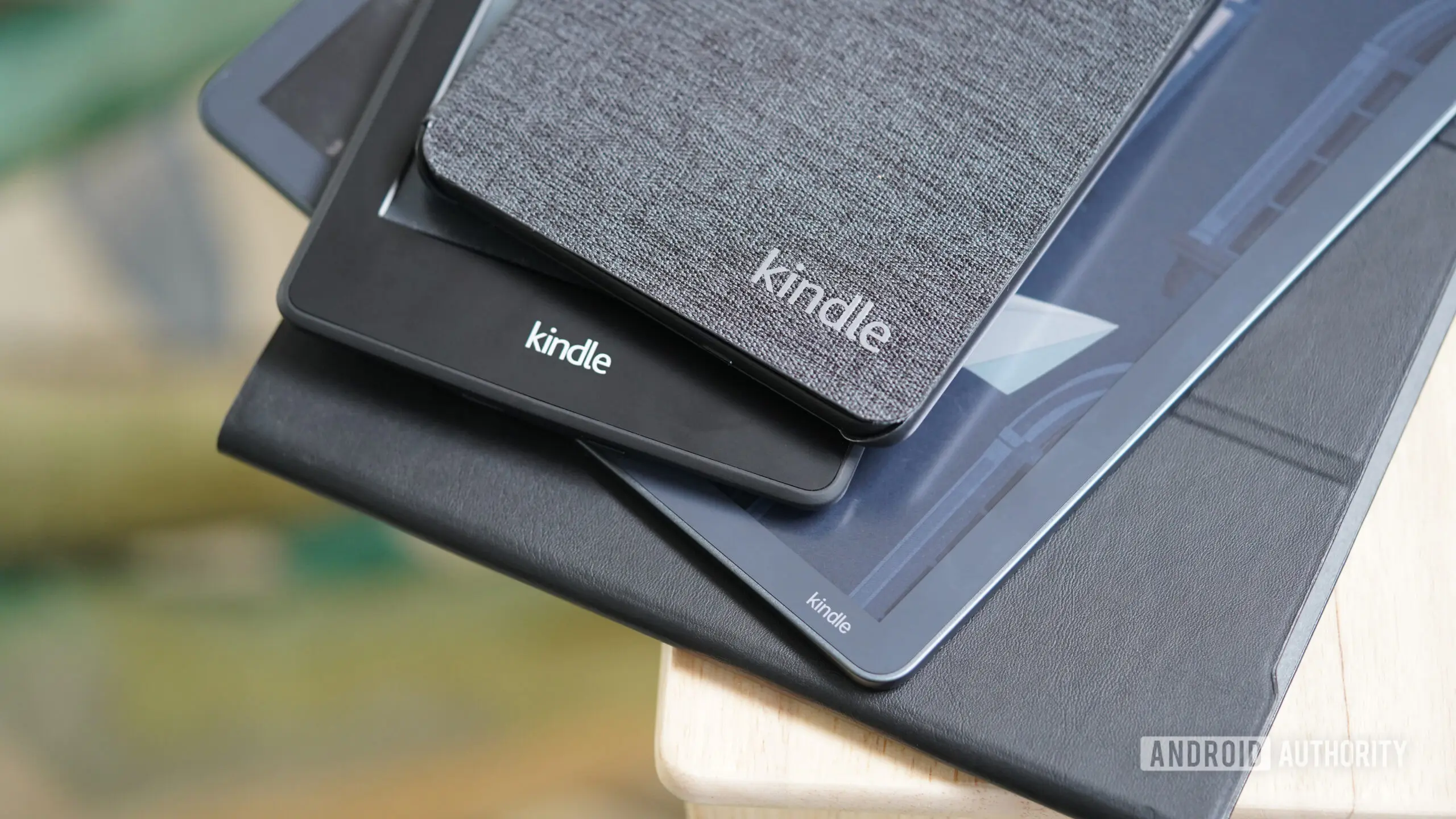
Amazon is ending technical support for several older Kindle models starting May 20, 2026. This decision has left many users with limited offline functionality, pushing them to explore more permanent solutions—such as jailbreaking their devices. The original Kindle, Kindle 2, Kindle DX lineup, Kindle Keyboard, Kindle 4 and 5, Kindle Touch, first-generation Kindle Paperwhite, and older Kindle Fire tablets will all lose access to Amazon's cloud services, effectively becoming offline reading machines. Users will retain access to books already downloaded, but anything tied to the cloud will cease to function.
The announcement has sparked a notable trend: users are increasingly jailbreaking their Kindles to install alternative software like KOReader. This third-party application offers enhanced customization, support for more file formats, deeper formatting controls, and detailed reading statistics. As one Reddit user commented, jailbreaking gave their Kindle “a second life,” particularly after following tutorials from YouTube creators like DammitJeff. Another user openly admitted they hated being locked into Amazon's ecosystem and wanted more control over the hardware they already paid for.
While the end-of-support date in 2026 is a catalyst, many users had already jailbroken older Kindles simply due to frustration with Amazon's software limitations. The official support phase-out simply makes the practice more relevant. One Reddit user mentioned considering jailbreaking their father's older Kindle preemptively out of fear that Amazon could eventually abandon it too. This reflects a broader sentiment in modern consumer tech: when official support dies, users scramble to keep devices alive themselves.
However, jailbreaking isn’t without risk. Amazon does not support unofficial modifications, and third-party software can introduce bugs, stability issues, reduced battery life, or even permanently brick the device. In some regions, modifying a device for personal use is legal, but legal gray areas emerge when piracy or copyrighted software is involved. For users who simply want to continue reading on an older Kindle without venturing into jailbreaking, sideloading books over USB remains the safest option.
How jailbreaking transforms the Kindle experience
The process of jailbreaking a Kindle typically involves exploiting firmware vulnerabilities to gain root access. Once achieved, users can install custom applications like KOReader, which supports EPUB, PDF, MOBI, and other formats natively—something Amazon's software restricts. KOReader also offers advanced features such as progress saving, custom font settings, bookmarks, and statistics on reading speed and time. These features are highly appealing to readers who want a more personalized experience.
Yet the journey into jailbreaking can be technical and intimidating. Tools like “KindleBreak” or “NiLuJe' s hack” have been around for years, but each new firmware update from Amazon often patches known vulnerabilities. Users must ensure they have a jailbreak-compatible firmware version, and the process can vary significantly between models. Success stories on Reddit and specialized forums like MobileRead are abundant, but failures are also documented—often resulting in devices that fail to boot or have unstable performance.
The community around Kindle jailbreaking is passionate and resourceful. YouTube creators like DammitJeff provide step-by-step guides, while Reddit communities like r/kindle offer troubleshooting advice. Many users report that once jailbroken, their old Kindle feels like a brand-new device, capable of handling tasks Amazon never intended. Some even use their Kindles to read web articles via RSS feeds or to view images, though these use cases are less common.
Why Amazon is ending support now
Amazon’s decision to phase out support for these older models is likely driven by business and technical considerations. The company has been pushing newer models with updated screens, better battery life, and integration with services like Kindle Unlimited and Audible. Older hardware may lack the processing power or memory to support cloud sync efficiently, and maintaining legacy software for devices that represent a small and shrinking user base is costly. Additionally, discontinuing support frees up resources for developing features for current models.
However, this move highlights a growing problem in the electronics industry: planned obsolescence. Consumers pay full price for devices that later become partially unusable due to software restrictions. While Amazon has not explicitly confirmed intentions to push users toward new purchases, the timing suggests a strategic commercial decision. The company continues to sell new Kindles, such as the Paperwhite and Oasis, which include features like warm lighting and waterproofing absent in older models.
For environmental sustainability, this approach is problematic. Encouraging users to discard functional devices contributes to electronic waste. While jailbreaking can extend the life of a device, it is a temporary solution that requires technical skills and comes with inherent risks. Users who cannot or will not jailbreak may end up buying a new model even if their old Kindle is physically intact.
Legal and security implications
Jailbreaking is generally legal for personal use in the United States under exemptions provided by the Digital Millennium Copyright Act (DMCA). However, using jailbroken devices to access copyrighted content without permission can lead to legal issues. Moreover, Amazon may consider jailbreaking a violation of its terms of service, potentially voiding warranties on devices still under coverage. Users who resell jailbroken Kindles could face complications if the buyer expects official support.
Security is another concern. Third-party software may not receive regular security updates, leaving devices vulnerable to malware or unauthorized access. While Kindles are largely offline devices, some models have Wi-Fi connectivity. Malicious software could theoretically exploit jailbroken devices to access personal data, though documented cases are rare. Users are advised to only install software from trusted sources and to avoid connecting jailbroken devices to public networks.
Despite these risks, the jailbreak community argues that older Kindles are largely safe because they lack modern features like browsers or payment systems. The primary threat is accidental bricking during the jailbreak process itself, which can be mitigated by following instructions carefully and having backup tools ready.
Comparison with physical books
The situation reinforces the appeal of physical books. A printed book never loses support—it can be read indefinitely without any company pulling the plug. However, digital readers offer convenience, portability, and access to vast libraries. The trade-off is acceptance of the manufacturer’s ecosystem and its lifespan. For many, the ability to jailbreak and install custom software represents a way to reclaim ownership over a device they purchased.
Interestingly, the Kindle’s dedicated e-ink screen remains superior to tablets for reading due to lower eye strain. Even when jailbroken, the hardware retains its purpose. Users who invest time in jailbreaking often report high satisfaction because they unlock capabilities without losing core functionality. Some even compare jailbroken Kindles to old smartphones running custom ROMs, gaining extended life and new features.
The larger lesson from this trend is that consumers are becoming more proactive about device longevity. As companies standardize on cloud-based features that render hardware obsolete, users are developing countermeasures. Whether through jailbreaking, open-source firmware, or simply hoarding physical books, the desire for durability persists. Amazon’s decision to end support for older Kindles is just one example in a pattern that includes smartphones, smart home devices, and gaming consoles.
Source: Android Authority News