

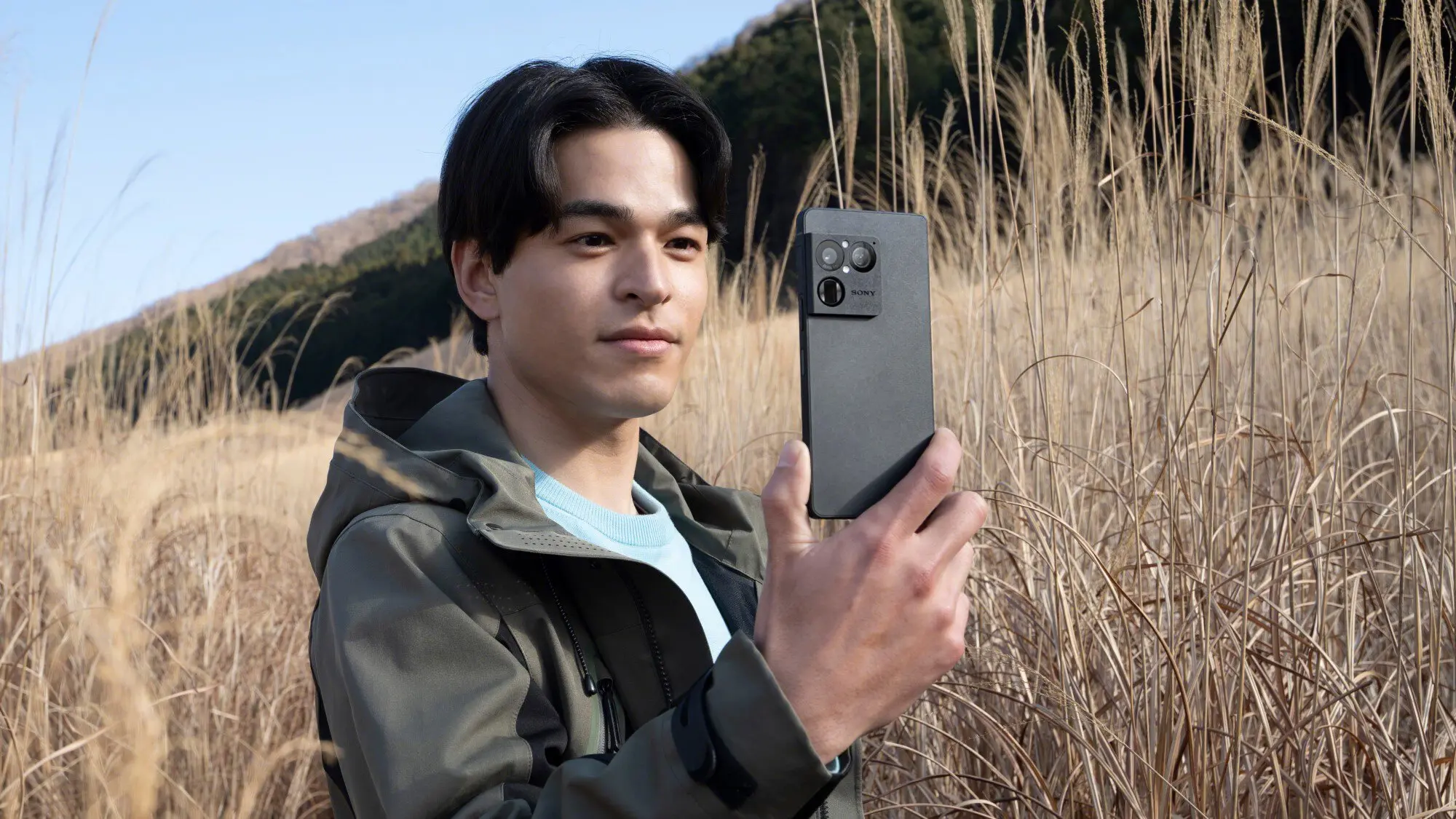
When Sony unveiled the Xperia 1 VIII, it touted a new AI Camera Assistant feature designed to help users capture better photos by suggesting four different settings based on the scene and subject. However, the initial marketing backfired spectacularly. Side-by-side comparisons shared by the company showed AI suggestions that appeared washed out, overexposed, and generally inferior to the original untouched photos. The internet collectively mocked Sony, with figures like Carl Pei and Marques Brownlee joining in the criticism.
Now, Sony has broken its silence, offering an explanation and new examples that aim to restore confidence. But the response leaves lingering questions about the company's judgment and its handling of one of the most embarrassing product launches in recent memory.
What Went Wrong with the Initial AI Camera Assistant Showcase?
The trouble began when Sony posted promotional images on social media demonstrating the AI Camera Assistant on the Xperia 1 VIII. The feature analyzes the scene and automatically suggests four sets of camera settings—such as exposure, white balance, and color profile—that the user can choose from. In theory, this allows photographers to experiment with different creative directions without manual adjustments. However, the examples Sony chose to highlight were universally panned.
In every comparison, the AI's suggestion looked less vibrant, lost details, and had poor dynamic range. One photo of a flower appeared dull and grayish, while another of a cityscape had blown-out highlights. Critics argued that the AI was actually making photos worse, not better. The backlash was swift and brutal, with tech commentators questioning whether Sony had lost its edge in imaging—a field where it has long been a leader thanks to its Alpha camera series and sensor technology.
Sony's Response: A Deeper Explanation and New Samples
Rather than deleting the posts or staying silent, Sony addressed the controversy directly on X (formerly Twitter). The company clarified that the AI Camera Assistant does not edit photos after capture; instead, it suggests camera settings before the shot is taken. The four options represent different creative interpretations—such as vivid, natural, monochrome, or high-contrast looks—based on machine learning analysis of the scene and subject.
Sony also released a second set of examples. These new images show much better results: the AI suggestions now appear more balanced, with proper exposure and pleasing color tones. One indoor portrait looks warmer and more flattering, while a landscape scene retains detail in both shadows and highlights. The improvement suggests that the initial examples were either poorly chosen or unrepresentative of the feature's capabilities.
Why Did Sony Use Those Initial Images?
The new examples may look better, but they do not erase the fundamental question: why did Sony's marketing team approve the first batch of images? Considering Sony's reputation in the camera industry—its sensors are used in many flagship smartphones, and its Alpha series is beloved by professionals—the misstep seems inexplicable. Some speculate that the images were taken in challenging lighting conditions or that the AI was still in an early testing phase. Others wonder if the company's internal review process failed to catch the obvious flaws.
Another possibility is that Sony intended to show the "neutral" option rather than the default AI suggestion, but the comparison was misleadingly presented. Regardless, the incident has damaged trust. Consumers may now question whether Sony's AI is truly beneficial or just a gimmick that degrades image quality.
Broader Implications for AI in Smartphone Photography
This episode is part of a larger trend: the increasing reliance on artificial intelligence in mobile photography. Companies like Google, Apple, and Samsung have invested heavily in computational photography, using AI to enhance low-light performance, improve skin tones, and apply scene-specific optimizations. Sony's approach is different: it offers manual-like suggestions rather than automatic enhancements. While this gives users more control, it also exposes the AI's shortcomings more directly.
If a user chooses an AI-recommended setting and the photo turns out poorly, the blame falls squarely on the algorithm. In contrast, Google's Pixel or Apple's iPhone typically apply corrections invisibly, so users rarely see the "bad" version of a photo. Sony's AI Camera Assistant makes its suggestions explicit, which is a double-edged sword: transparency can build trust, but a bad recommendation is immediately visible and can erode confidence.
The challenge for Sony is to ensure that its AI suggestions are consistently good, especially since the Xperia 1 VIII is a premium device aimed at photography enthusiasts. The initial failure could deter early adopters, even if the feature actually works well in most scenarios.
What This Means for Sony's Xperia Line
The Xperia 1 VIII is Sony's latest attempt to carve out a niche in the competitive smartphone market. With features like a 4K OLED display, a headphone jack, and advanced camera controls, it targets users who prioritize imaging and multimedia. The AI Camera Assistant is meant to bridge the gap between manual and automatic modes, making pro-level settings accessible to casual users.
However, this controversy may undermine that goal. If potential buyers see the AI as unreliable, they might stick to manual controls or look elsewhere. Sony must now work hard to rebuild confidence through firmware updates, better marketing, and perhaps even public demonstrations. The company's response—keeping the original posts online and providing a detailed explanation—is a step in the right direction, but it is only a beginning.
Moreover, the incident highlights a cultural problem within Sony's marketing department. The company has a history of odd promotional decisions, such as confusing product naming and lackluster advertising. This misstep could prompt internal changes to prevent similar embarrassments in the future.
Ultimately, the AI Camera Assistant's true quality will be judged by real-world users, not by marketing materials. Early reviews from tech media will be crucial. If they confirm that the feature is mostly helpful, the initial fiasco may be forgotten. But if the AI consistently produces inferior results, it could become a permanent stain on the Xperia 1 VIII's reputation.
For now, Sony has offered a mea culpa of sorts, but the questions remain. Why did anyone think those first images looked good? How could a camera giant make such a basic error in visual judgment? And what does it say about the company's internal quality control? These are not just rhetorical; they are valid concerns for anyone considering a Sony smartphone. The Xperia 1 VIII may be a fine device, but its AI feature has been dealt a serious blow before it even hit the market.
Source: Android Authority News