

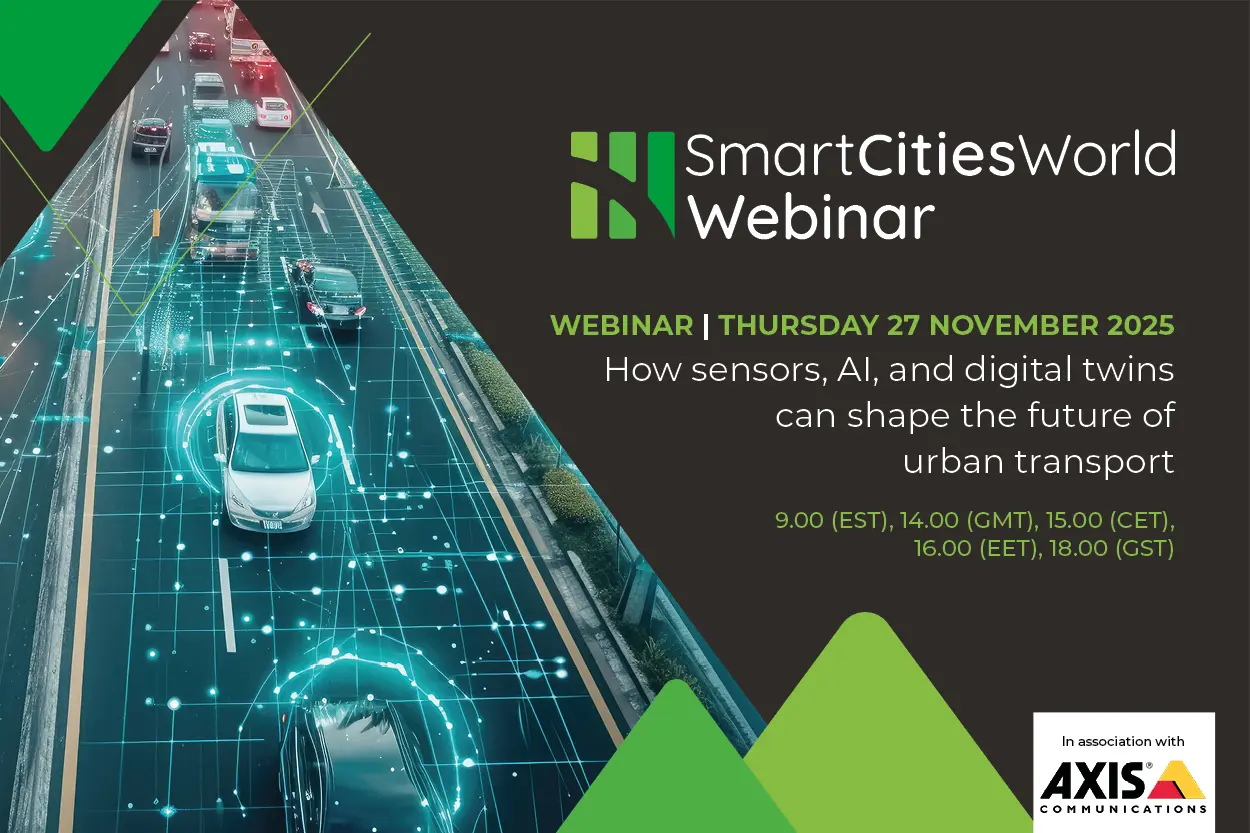
Urban transport systems are at a pivotal juncture. With rapid urbanization and the pressing need for sustainability, cities worldwide are turning to advanced technologies such as sensors, artificial intelligence (AI), and digital twins to reimagine mobility. These innovations promise not only to improve efficiency and resilience but also to create more inclusive and responsive urban environments. This article examines how these tools are being deployed, the challenges that accompany their adoption, and the broader implications for the future of city living.
The Rise of Digital Twins in Urban Planning
Digital twins—virtual replicas of physical systems—have emerged as powerful tools for urban planning and operations. By integrating real-time sensor data with AI analytics, cities can simulate traffic flows, predict congestion, and optimize public transport routes. For instance, cities like Sunderland and Dublin have begun leveraging digital twins to support long-term planning and day-to-day management. These models allow planners to test scenarios without disrupting actual infrastructure, reducing costs and improving decision-making.
In Sunderland, digital twins are part of a broader strategy to reposition the city as a smart, low-carbon economy. The city uses digital infrastructure to monitor energy use, traffic patterns, and environmental conditions, enabling data-driven policies that enhance quality of life. Similarly, Dublin has implemented digital twin projects to reduce traffic congestion and promote economic growth, while also improving public services through better data integration.
The Role of Sensors and AI
At the heart of these digital twins are sensors—networks of devices that collect data on everything from vehicle counts to air quality. AI algorithms then process this data to identify patterns, predict failures, and suggest interventions. For example, smart sensor networks in buildings can detect risks early, improving indoor safety and sustainability. In transport, AI-powered systems can optimize traffic signal timings in real time, reducing delays and emissions.
However, the true potential of these technologies lies in their ability to connect fragmented systems. Cities often operate multiple data silos—transport, energy, waste management—that rarely communicate. AI can bridge these gaps, enabling integrated responses to events like accidents or natural disasters. Yet this integration raises important questions about interoperability, security, and vendor lock-in.
Interoperability and Human Oversight
Experts from international bodies emphasize that cities must prioritize interoperability from the start. Without common standards and open architectures, different systems may not work together, leading to inefficiencies and dependency on single vendors. Moreover, human oversight remains essential. AI can suggest actions, but human judgment is needed to ensure ethical outcomes and avoid biases. Inclusivity is another critical factor—technology should serve all communities, not just those with access to digital tools.
An expert from the International Telecommunication Union recently highlighted that cities now have a window of opportunity to shape the future of urban AI before fragmented systems and vendor lock-in become entrenched. This means investing in open standards, fostering public-private partnerships, and designing technologies with human needs at the center.
Smart Lighting as a Foundation
One often-overlooked element of smart city infrastructure is lighting. Streetlights are ubiquitous and can serve as platforms for sensors, cameras, and connectivity hubs. A recent podcast mini-series explored how cities can turn existing streetlight networks into secure, interoperable, and future-proof infrastructure. The first episode traced the evolution from LEDs to connected lighting, emphasizing the importance of interoperability. As cities upgrade their lighting, they have an opportunity to embed sensor networks that support not only energy savings but also traffic management, environmental monitoring, and public safety.
Spatial Intelligence and the Citiverse
Looking ahead, concepts like spatial intelligence and the Citiverse—a collective virtual space for cities—are gaining traction. An upcoming UN Virtual Worlds Day event will examine how AI and spatial intelligence can be channeled into trusted, people-centered outcomes. These technologies allow urban planners to visualize and interact with complex systems in new ways, facilitating collaboration and citizen engagement. The goal is to create digital ecosystems that are responsive, transparent, and inclusive.
Indoor Safety and Building Resilience
Beyond outdoor transport, smart sensor networks are increasingly used in buildings to improve indoor safety. By detecting risks such as gas leaks, fires, or air quality issues early, sensors enhance situational awareness and support healthier, more secure environments. This is particularly important for public transport hubs like train stations and airports, where large numbers of people gather. Integrating these systems with city-wide digital twins can provide a holistic view of urban resilience.
Climate Finance and Capacity Building
Finally, the financial aspect cannot be ignored. Many cities struggle to fund ambitious digital transformation projects. Thematic webinars on climate finance have been exploring how to build city capacity and partnerships to unlock funding. These sessions bring together municipal leaders, investors, and technology providers to discuss innovative financing models, from green bonds to public-private partnerships. Without adequate resources, even the best technologies will remain unrealized.
As cities continue to invest in sensors, AI, and digital twins, they are transforming urban transport and beyond. The journey from fragmented systems to truly intelligent cities is complex, requiring careful planning, collaboration, and a commitment to inclusive design. Yet the potential rewards—efficiency, resilience, sustainability—are immense. By learning from early adopters and adhering to principles of interoperability and human oversight, cities can shape a future where technology truly serves people.
Source: Smart Cities World News