

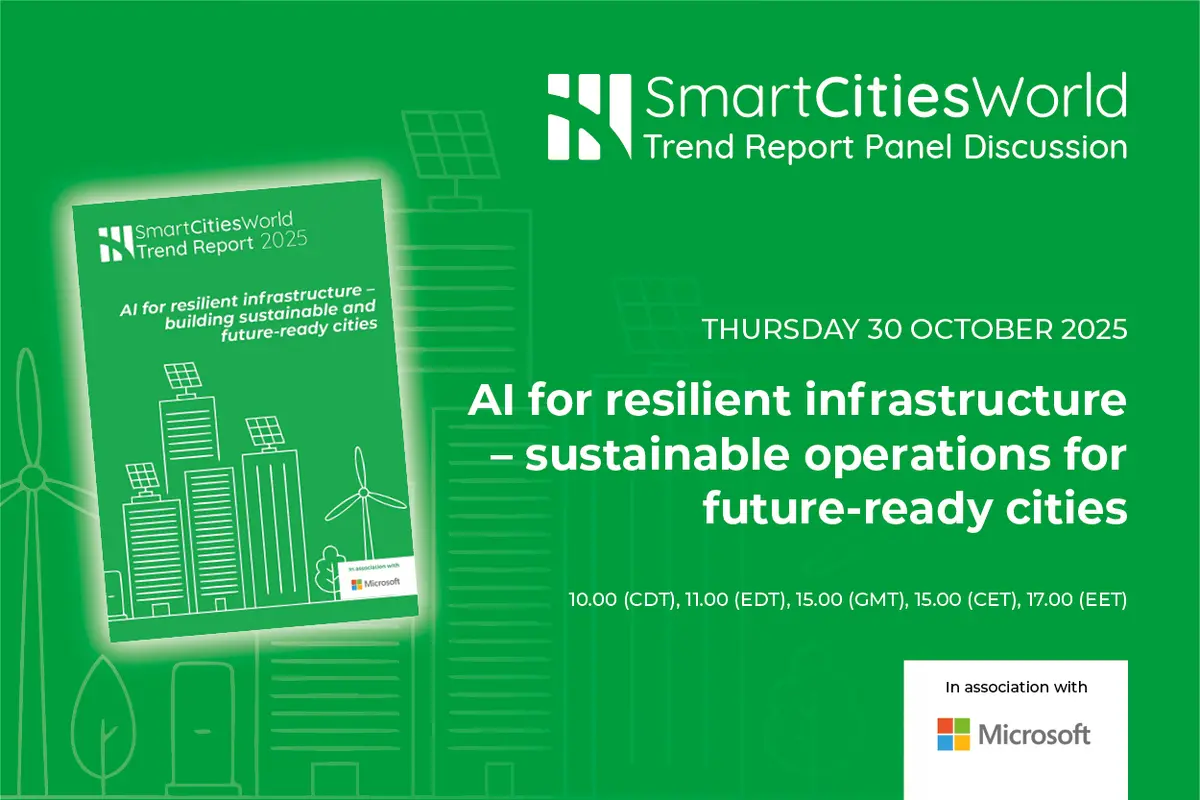
As cities worldwide confront the combined pressures of climate change, aging infrastructure, and rapid digital transformation, the need for innovative solutions has never been more urgent. Artificial intelligence (AI) and digital twins are emerging as powerful tools that can help urban leaders plan, operate, and maintain resilient infrastructure while achieving sustainability goals. This article delves into how these technologies are reshaping urban environments, drawing on real-world applications and expert perspectives.
The Role of Digital Twins in Urban Resilience
A digital twin is a virtual replica of a physical asset, system, or process that uses real-time data to simulate, predict, and optimize performance. In the context of urban infrastructure, digital twins enable city planners to model everything from traffic flows and energy grids to water systems and public safety networks. By integrating AI algorithms, these digital replicas can analyze vast amounts of sensor data to identify patterns, predict failures, and recommend proactive interventions.
For example, a city could use a digital twin of its water distribution network to detect leaks, optimize pressure, and reduce water loss. Similarly, a digital twin of a transportation system can simulate the impact of road closures, weather events, or new policies, allowing authorities to make data-driven decisions that minimize disruptions. The result is a more resilient city that can adapt to changing conditions and recover quickly from shocks.
Several cities have already embraced digital twin technology. Singapore, for instance, has developed a comprehensive digital twin called Virtual Singapore, which integrates geospatial, environmental, and social data to support planning and decision-making. Helsinki, Finland, has created a 3D city model that serves as the foundation for smart city applications, including energy management and climate adaptation. These examples underscore the growing recognition that digital twins are not just a futuristic concept but a practical tool for today's urban challenges.
AI in Urban Transport Networks
Transportation is a critical component of urban infrastructure, and AI is revolutionizing how cities manage mobility, safety, and efficiency. AI-powered digital twins of transport networks can process data from traffic cameras, GPS sensors, ticketing systems, and weather forecasts to optimize traffic signals, predict congestion, and improve public transit schedules. This not only reduces travel times but also lowers emissions and enhances the overall commuter experience.
For instance, London's transport authority uses AI to manage its bus network, adjusting routes and frequency in real-time based on demand. In Barcelona, smart traffic lights prioritize public transport and emergency vehicles, while AI algorithms analyze pedestrian flows to improve safety. These systems rely on machine learning models that continuously learn from historical and real-time data, becoming more accurate over time.
Moreover, AI is being used to support long-term planning. By simulating different scenarios—such as population growth, new developments, or climate impacts—city planners can identify infrastructure needs years in advance. This proactive approach helps avoid costly retrofits and ensures that transport networks remain resilient under changing conditions. For example, a digital twin of a city's metro system can simulate the effects of extreme rainfall on tunnel operations, allowing engineers to design better drainage systems and emergency protocols.
Global Case Studies in AI-Powered Urban Innovation
Malaysia: Leading AI-Driven Urban Innovation
Malaysia is positioning itself as a hub for AI-powered urban innovation in Southeast Asia. The country recently hosted the first Southeast Asian Smart City Expo in Kuala Lumpur, showcasing cutting-edge technologies for sustainable urban development. Malaysian cities are adopting digital twins to manage traffic, monitor air quality, and optimize waste collection. For example, the Smart Selangor initiative uses IoT sensors and AI to improve water management and reduce non-revenue water losses. These efforts demonstrate how a national commitment to digital transformation can accelerate progress toward resilient infrastructure.
Sunderland: A Smart City Reborn
In the United Kingdom, Sunderland is undergoing a remarkable transformation as it repositions itself as a leading smart city. The city's strategy focuses on digital infrastructure and low-carbon innovation to build a resilient, future-focused economy. Sunderland has deployed a city-wide network of sensors and a digital twin platform that integrates data from buildings, transport, and energy systems. This enables real-time monitoring of energy consumption, carbon emissions, and infrastructure health. The city is also using AI to optimize street lighting, reducing energy costs by up to 50% while improving public safety. Sunderland's journey illustrates how post-industrial cities can reinvent themselves through technology and sustainability.
Dublin: Innovating for Communities
Dublin is another city that has embraced digital twins and AI to improve the lives of its residents. The Irish capital has launched several digital twin projects focused on traffic reduction, economic growth, and citizen engagement. For example, Dublin's smart traffic management system uses AI to analyze traffic patterns and adjust signal timings, leading to a 15% reduction in congestion during peak hours. The city is also using digital twins to plan new cycling lanes and pedestrian zones, ensuring that infrastructure investments align with community needs. Additionally, Dublin's open data portal provides citizens with access to real-time information on air quality, parking availability, and public transport services, fostering a culture of transparency and participation.
Smart Sensor Networks for Indoor Safety
Beyond outdoor infrastructure, AI-powered sensor networks are enhancing safety and sustainability inside buildings. Smart sensors can detect risks such as fire, gas leaks, or structural weaknesses early, improving situational awareness and enabling rapid response. For example, in a large office building, a network of IoT sensors connected to an AI platform can monitor temperature, humidity, and air quality to ensure a healthy environment. If a sensor detects abnormal heat levels, the system can alert building management and automatically adjust HVAC systems to prevent fire hazards. These systems also support energy efficiency by optimizing lighting and heating based on actual occupancy patterns. As urbanization intensifies, the integration of smart sensors into building management systems will be crucial for creating safer, more secure, and sustainable indoor spaces.
Expert Insights: The Evolution of Urban AI
According to industry leaders, the application of AI in urban infrastructure is still in its early stages, but the potential is immense. Gareth Tang, President of Urban Solutions at ST Engineering, explains that urban AI applications are set to evolve from reactive to predictive and eventually prescriptive models. He details projects where AI is already making significant impact, such as using computer vision to detect anomalies in public spaces or deploying natural language processing to analyze citizen feedback. As AI models become more sophisticated, they will enable cities to not only respond to events but also anticipate them, leading to more proactive and resilient operations. Tang emphasizes that the key to success lies in data quality and integration—cities must invest in robust data infrastructure and foster partnerships between public and private sectors.
Policy and Partnerships: The SmartCitiesWorld Summit 2026
The convergence of climate resilience, infrastructure modernization, and digital transformation will be a central theme at the SmartCitiesWorld Summit 2026, set to take place during London Climate Action Week. This event will bring together urban leaders, technology providers, and policy makers to explore how these agendas intersect. Discussions will focus on translating strategy into practical action, with sessions on funding sustainable projects, standardizing data protocols, and scaling successful pilot programs. The summit will also highlight the importance of inclusive governance, ensuring that the benefits of AI and digital twins are shared equitably across all communities. By fostering collaboration and knowledge exchange, events like this accelerate the adoption of technologies that make cities more resilient and future-ready.
As these examples and insights demonstrate, AI and digital twins are not just buzzwords but transformative tools that can help cities navigate the complexities of the 21st century. From reducing carbon footprints to enhancing public safety, the applications are vast and growing. The journey toward resilient infrastructure requires investment, innovation, and a willingness to embrace change—but the rewards are cities that are not only smarter but also more sustainable and equitable for generations to come.
Source: Smart Cities World News