

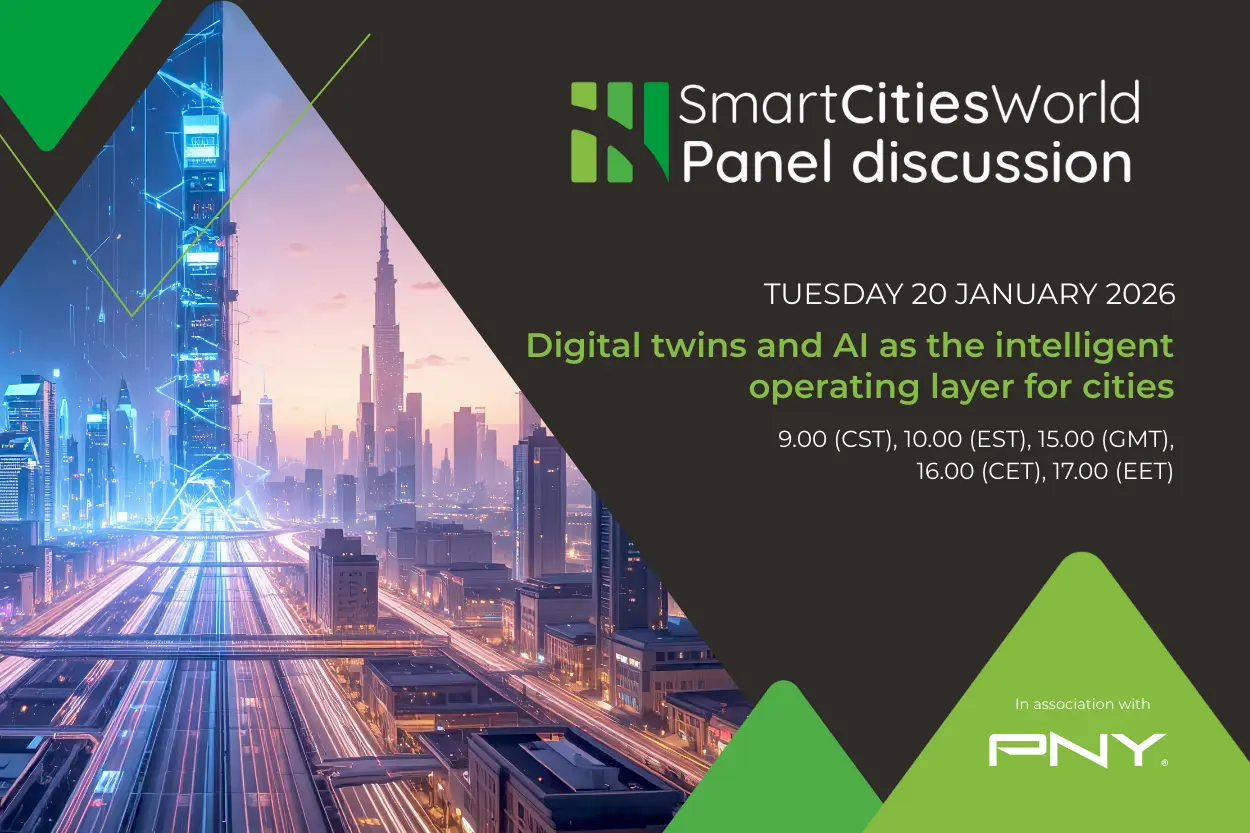
The Rise of AI-Powered Digital Twins in Urban Management
Urban centers worldwide are increasingly turning to digital twins—virtual replicas of physical systems—as the intelligent operating layer for cities. When combined with artificial intelligence, these models enable real-time simulation, prediction, and optimization of infrastructure, from traffic flows to energy grids. The goal is to create more efficient, resilient, and sustainable urban environments that can adapt to changing demands and unforeseen challenges.
Digital twins are not new; they have been used in manufacturing and aerospace for decades. However, their application to cities is gaining momentum as sensors, IoT devices, and data analytics become more affordable and powerful. AI algorithms process vast amounts of data from these sensors to create a dynamic, living model that reflects current conditions and can forecast future states. This allows city planners and operators to test interventions virtually before implementing them in the real world, reducing costs and risks.
Transforming Urban Transport Networks with Data and AI
One of the most promising areas for AI-driven digital twins is urban transport. Cities are using AI to analyze traffic patterns, optimize signal timings, and improve public transit reliability. By integrating data from GPS, cameras, and ticketing systems, transport authorities can gain a holistic view of the network and respond proactively to congestion, accidents, or service disruptions. For example, AI models can predict when a bus route is likely to become overcrowded and suggest adjustments to schedules or fleet deployment.
Passenger outcomes also improve: real-time information about arrival times, alternative routes, and capacity helps travelers make informed decisions. This reduces wait times and enhances the overall travel experience. Moreover, AI can support long-term planning by simulating the impact of new infrastructure projects, such as bike lanes or tram lines, on overall mobility patterns. The result is a transport network that is not only more efficient but also more inclusive and sustainable.
Breaking Silos: Interoperability and Security in Smart Cities
As cities race to connect data from disparate systems—transport, energy, water, waste management, public safety—they face significant challenges in security and interoperability. Fragmented systems, often from different vendors, can lead to vendor lock-in, data silos, and security vulnerabilities. Experts emphasize that interoperability must be prioritized from the start. This means adopting open standards and APIs that allow different components to communicate seamlessly.
Cristina Bueti of the International Telecommunication Union (ITU) stresses the need for human oversight in urban AI deployments. While AI can automate many decisions, ethical considerations—such as bias, privacy, and accountability—require governance frameworks. Cities must ensure that AI systems are transparent, inclusive, and subject to human review, especially when they affect critical services like emergency response or resource allocation. Without such safeguards, the promise of smart cities could be undermined by mistrust and inequality.
City Profile: Sunderland’s Digital Transformation
Sunderland, a city in northeast England, is repositioning itself as a global model for smart city innovation. Through strategic investments in digital infrastructure and low-carbon technology, Sunderland aims to build a resilient, future-focused economy. Key initiatives include a city-wide IoT network that collects data on air quality, traffic, and energy use, feeding into a digital twin that helps local authorities optimize public services.
The city is also fostering a digital skills ecosystem, working with universities and tech companies to train residents for the jobs of tomorrow. Sunderland’s approach demonstrates that a smart city is not only about technology but also about people and partnerships. By prioritizing inclusivity and sustainability, the city sets an example for others seeking to leverage AI for public good.
City Profile: Dublin’s Journey Toward Smarter Services
Dublin is also making headlines with its smart city initiatives, particularly around digital twin projects, traffic reduction, and economic growth. The Irish capital has deployed a suite of sensors and data platforms to monitor everything from parking availability to pedestrian flows. A city-level digital twin enables planners to visualize how new developments or policy changes will affect the urban environment.
One notable project focuses on reducing traffic congestion by using AI to optimize traffic light timings and encourage alternative modes of transport. Dublin also prioritizes citizen engagement, using digital tools to gather feedback on urban planning decisions. By combining technology with community input, Dublin aims to improve experiences and services for all residents while maintaining a competitive edge in the global economy.
Smart Lighting: From LEDs to Intelligent Infrastructure
Streetlights are an often-overlooked entry point for smart city development. Modern lighting networks can be upgraded with LED fixtures, connectivity, and sensors to become a backbone for IoT data collection. The podcast series "Cities Thriving on Lighting" explores this evolution: from simple energy savings to the creation of secure, interoperable platforms for future-proof urban services.
Smart lighting can adapt to real-time conditions—dimming when no one is around to save energy, or brightening when motion is detected. The same infrastructure can host environmental sensors, cameras, or Wi-Fi access points, turning a basic utility into a multi-purpose asset. However, cities must be careful to ensure that these networks are secure and that data privacy is protected. The technology is available; the challenge lies in integrating it responsibly into existing urban fabric.
Sensor Networks for Indoor Safety and Sustainability
Beyond outdoor infrastructure, smart sensor networks are transforming indoor environments. In commercial buildings, schools, hospitals, and public facilities, sensors can detect early signs of risks such as fires, gas leaks, or structural weaknesses. AI algorithms analyze sensor data to provide real-time alerts and situational awareness, enabling faster responses and potentially saving lives.
Indoor sensor networks also contribute to sustainability by optimizing heating, ventilation, and air conditioning (HVAC) based on occupancy and air quality. This reduces energy consumption while maintaining comfort and health standards. As buildings become increasingly connected, they form an integral part of the broader smart city ecosystem.
The Citiverse and UN Virtual Worlds Day
The concept of the "Citiverse"—a convergence of digital twins, spatial intelligence, and the metaverse for city management—is gaining attention. The UN Virtual Worlds Day event provides a platform for stakeholders to discuss how these technologies can deliver trusted, people-centered outcomes. Paul Wilson, a prominent voice in the smart city community, encourages wide participation in shaping a future where AI serves citizens equitably.
This event underscores the need for global collaboration: cities cannot succeed in isolation. Shared standards, ethical guidelines, and knowledge exchange are essential to avoid repeating mistakes and to amplify best practices. The UN’s involvement highlights the growing recognition that digital transformation is not merely a technical challenge but a societal one.
Upcoming Webinars and Resources
To deepen understanding of these topics, several on-demand resources are available. A webinar titled "Preparing for AI: Understanding the Data Groundwork with Sunderland" offers practical insights for cities beginning their AI journey. Another panel discussion, "AI for Personalised Government Services – Building Trust and Inclusivity in Cities," tackles critical questions of equity and engagement.
Additionally, SmartCitiesWorld provides daily and weekly newsletters that curate the latest news, city interviews, special reports, and guest opinions. These resources keep professionals informed about emerging trends and real-world case studies, helping them make better decisions for their own communities.
In summary, the integration of digital twins and AI into urban management is accelerating, driven by the need for efficiency, resilience, and sustainability. From transport to lighting to indoor safety, cities are harnessing data to become smarter and more responsive. However, success depends on addressing interoperability, security, and ethical governance. The examples of Sunderland, Dublin, and global initiatives illustrate both the potential and the challenges ahead. As technology continues to evolve, the intelligent operating layer of cities will only become more sophisticated, shaping the way we live, work, and interact with our urban environments.
Source: Smart Cities World News