

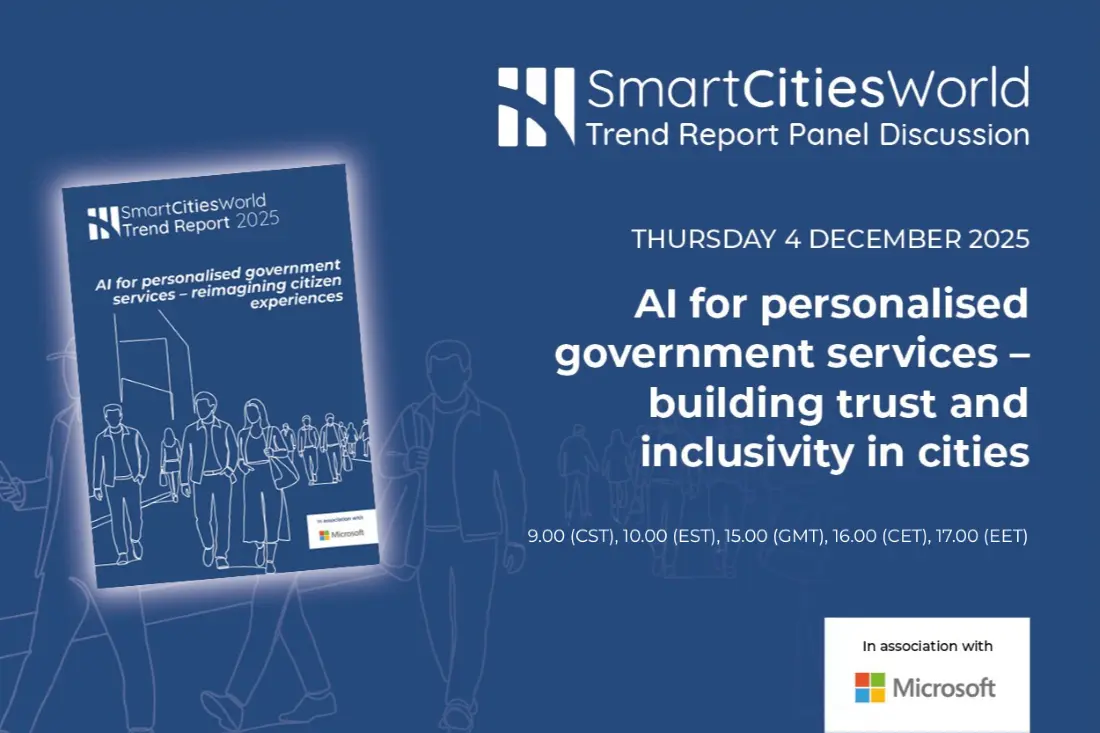
The rapid evolution of artificial intelligence is reshaping how cities deliver services to their citizens. From predictive traffic management to personalised government portals, AI offers unprecedented opportunities to make urban life more efficient, responsive, and inclusive. However, building trust in these systems requires careful attention to interoperability, data security, and human oversight.
AI and Digital Twins: The Intelligent Operating Layer
One of the most promising applications of AI in cities is the use of digital twins – virtual replicas of physical infrastructure that allow real-time monitoring and simulation. These digital twins act as an intelligent operating layer, enabling city managers to test scenarios, optimise resource use, and predict maintenance needs. For instance, a digital twin of a city's water network can detect leaks early, while a twin of its energy grid can balance loads more effectively.
AI enhances these twins by analysing vast streams of sensor data to identify patterns and anomalies. This combination allows cities to move from reactive to proactive management. As a result, infrastructure becomes more resilient and sustainable, reducing costs and improving service quality for residents.
Transforming Urban Transport with AI
Urban transport networks are among the key beneficiaries of AI and data integration. Cities are using AI to support planning, day-to-day operations, and improve outcomes for communities and passengers. For example, AI algorithms can optimise bus schedules based on real-time demand, reduce congestion by adjusting traffic signals, and predict maintenance needs for trains and trams.
Moreover, personalised journey planning – taking into account individual preferences for time, cost, and accessibility – becomes feasible when AI can access integrated data from multiple transport modes. This leads to more equitable access to mobility, especially for underserved communities.
Connecting Data, Tightening Security, Harnessing AI
Cities are racing to connect fragmented data systems, tighten security, and harness AI to turn disconnected silos into smarter, more responsive urban services. The challenge lies in ensuring that these systems are interoperable – able to exchange and use information seamlessly across different platforms and vendors.
ITU's Cristina Bueti emphasises that cities must prioritise interoperability, inclusivity and human oversight now, before fragmented systems and vendor lock-in define the future of urban AI. Without common standards, cities risk creating digital divides and locking out smaller innovators. Human oversight ensures that AI decisions are transparent and accountable, building trust among citizens.
City Profiles: Sunderland and Dublin
Two cities that exemplify smart city innovation are Sunderland and Dublin. Sunderland is repositioning itself as a leading smart city by using digital infrastructure and low-carbon innovation to build a resilient, future-focused economy. A SmartCitiesWorld City Profile details how Sunderland is integrating IoT sensors across public services, from waste management to street lighting, to improve efficiency and sustainability.
Dublin, meanwhile, is innovating to improve experiences and services for its communities. The city's digital twin projects allow planners to visualise the impact of new developments, while traffic reduction initiatives use AI to analyse congestion patterns and recommend alternative routes. Dublin also focuses on economic growth through smart city investments that attract tech companies and create jobs.
The Evolution of Smart Lighting
Smart lighting is often the entry point for many cities into the Internet of Things. The first episode of Cities Thriving on Lighting, a podcast mini-series from SmartCitiesWorld and Paradox Engineering, examines how smart lighting has evolved from LEDs to full connectivity and interoperability. Cities can turn existing streetlight networks into secure, future-proof infrastructure by adding sensors and controllers that collect data on air quality, traffic, and pedestrian movement.
Beyond energy savings, smart lighting networks can support public safety, environmental monitoring, and even Wi‑Fi hotspots. The key is to ensure that the technology is interoperable and open, avoiding proprietary systems that lock cities into single vendors.
UN Virtual Worlds Day and the Citiverse
The UN Virtual Worlds Day event explores how AI, spatial intelligence, and the Citiverse ecosystem can be turned into trusted, people-centred outcomes. Paul Wilson explains that this is an opportunity for cities to co-create virtual worlds with their citizens, ensuring that digital twins and AI serve human needs rather than corporate interests. The goal is to build inclusive digital spaces where residents can interact with city services, participate in planning, and access information in intuitive ways.
Smart Sensor Networks for Indoor Safety
While much of the focus is on outdoor infrastructure, smart sensor networks can also improve indoor safety. By detecting risks early – such as gas leaks, fire hazards, or air quality issues – these systems improve situational awareness and support healthier, more secure, and sustainable buildings. Integrating such sensors with building management systems allows for automated responses, such as shutting off valves or adjusting ventilation, further enhancing safety.
Data Strategy for Smarter Sites and Safer Operations
A successful smart city initiative hinges on a robust data strategy. An OnDemand webinar on getting your data strategy right for smarter sites and safer operations emphasises the importance of data governance, quality, and sharing. Cities must establish clear policies on data ownership, privacy, and security to build trust. At the same time, they need technical infrastructure to collect, store, and analyse data at scale.
Conclusion
As cities integrate AI and data into their fabric, the potential for personalised, inclusive government services is immense. However, realizing this potential requires a commitment to interoperability, human oversight, and trust. The examples of Sunderland, Dublin, and the initiatives discussed here demonstrate that with the right strategy, AI can help build cities that are not only smarter but also more equitable and resilient. By focusing on people-centred outcomes and avoiding vendor lock-in, urban leaders can ensure that the benefits of AI are shared by all residents. The journey has begun, and the opportunities are vast.
Source: Smart Cities World News