

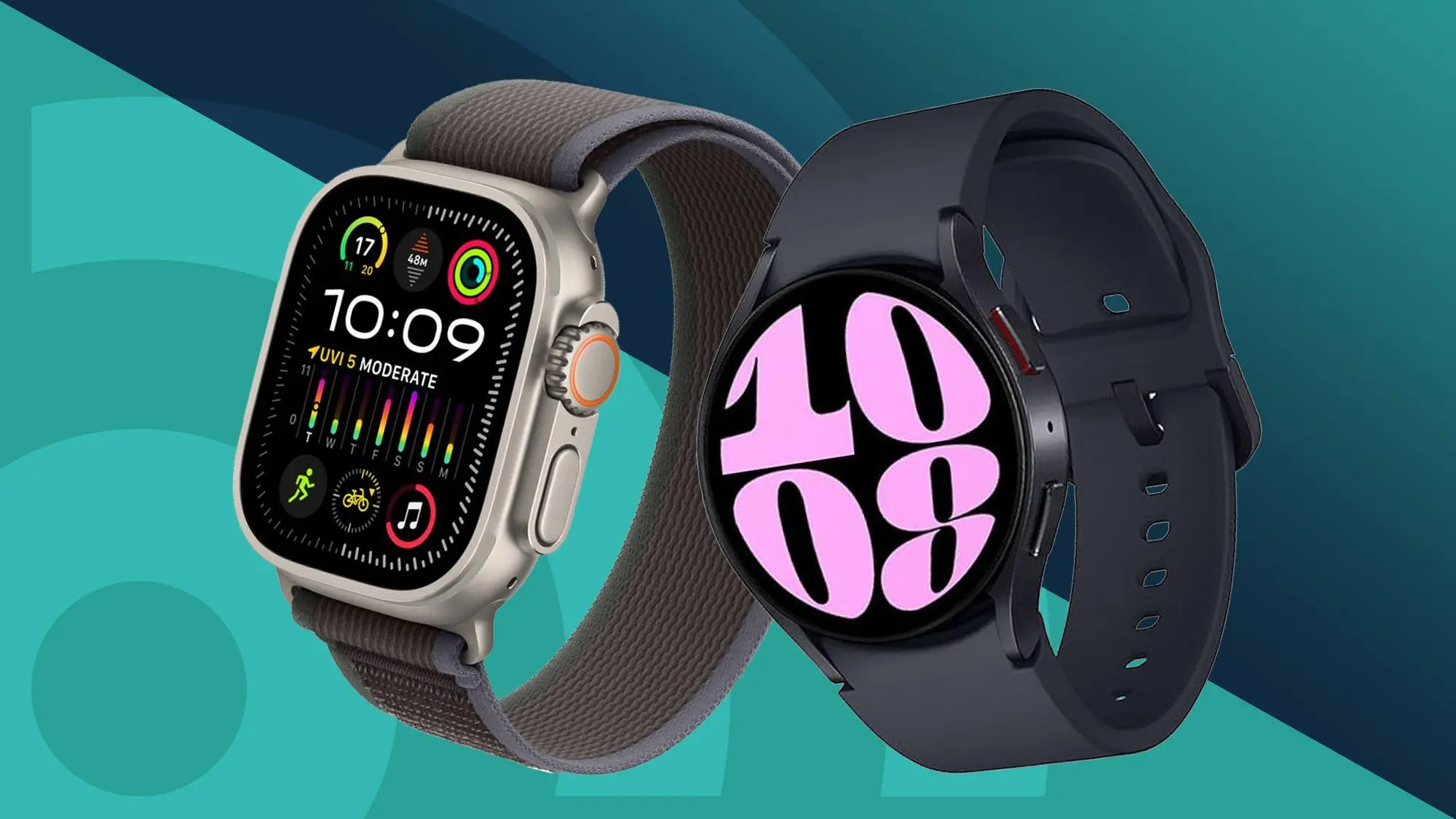
The Era of Next-Gen Wearables
The smartwatch industry has undergone a remarkable transformation by 2026. Gone are the days when these devices merely served as notification mirrors for smartphones. Today's wearables are standalone health hubs, AI-powered assistants, and lifestyle companions that seamlessly integrate into every aspect of daily life. Advances in micro-LED displays, solid-state batteries, and edge computing have unlocked unprecedented capabilities. In this article, we explore the best smartwatches and fitness trackers available in 2026, covering flagship models from Apple, Samsung, Garmin, Google, and Fitbit.
Battery life has been a perennial pain point, but 2026 sees major breakthroughs. Many premium smartwatches now last over a week on a single charge, while fitness-focused trackers can go for months. Health sensors have also matured, with continuous glucose monitoring (CGM) becoming standard on high-end models, along with blood pressure, body temperature, and even hydration tracking. The addition of on-device AI allows for real-time health insights without relying on cloud processing, making these devices more responsive and private.
Apple Watch Series 11: The Gold Standard
Apple continues to dominate the premium segment with the Apple Watch Series 11. Launched in September 2026, it features a new M4 chip, a 30% brighter always-on display, and a slimmer profile thanks to a stacked battery design. The health suite now includes a FDA-approved continuous glucose monitor, enabling diabetics and fitness enthusiasts to track blood sugar levels directly from their wrist. The AI-enhanced Siri can now predict energy levels and suggest optimal workout times based on historical data.
The Series 11 also introduces a new UltraBand accessory that works as a secondary battery pack and GPS extender for long-distance athletes. The watchOS 13 software brings deep integration with smart home devices, allowing users to control lights, thermostats, and locks with simple gestures. For those who prefer a rugged option, the Apple Watch Ultra 3 offers a titanium case, improved impact resistance, and a dive computer capable of reaching depths of 100 meters.
Battery life has improved significantly: the standard Series 11 lasts up to 40 hours in normal use, while the Ultra 3 can stretch to 72 hours with active GPS. The price point remains premium, starting at $799 for the basic model and $1,199 for the Ultra variant. However, for iOS users seeking the most comprehensive ecosystem, it remains the undisputed champion.
Samsung Galaxy Watch 8: The Android King
On the Android side, Samsung's Galaxy Watch 8 (released early 2026) offers fierce competition. Powered by the Exynos W2026 custom chip, it delivers snappy performance and up to five days of battery life in mixed usage. The 1.5-inch circular AMOLED display is covered by a sapphire crystal, and the rotating bezel returns by popular demand. Health tracking includes all the essentials plus a new metabolic health index derived from heart rate variability, skin temperature, and blood flow patterns.
The Galaxy Watch 8 also stands out for its integration with Samsung's Galaxy AI platform. The watch can generate weekly health reports, detect early signs of stress, and even recommend mindfulness exercises. For fitness, it auto-detects up to 120 types of workouts and provides real-time coaching during strength training. The body composition analysis, using bioelectrical impedance, is now accurate to within 2% of dedicated scales.
Samsung offers LTE connectivity and a dedicated app store through Wear OS 5. The collaboration with Google ensures seamless access to Google Maps, Messages, and Wallet. The price starts at $499, making it a more affordable alternative to the Apple Watch, especially considering its feature set. The Galaxy Watch 8 Pro, with a larger battery and titanium body, costs $699 and lasts up to seven days.
Garmin Fenix 8: For the Adventurer
For outdoor enthusiasts and serious athletes, Garmin's Fenix 8 ( launched March 2026) remains the gold standard. This rugged smartwatch features a 1.7-inch MIP display with solar charging, allowing indefinite battery life in direct sunlight. The Fenix 8 includes a multi-band GPS receiver that rivals handheld devices in accuracy, even in deep canyons or under dense tree cover. It also has a full suite of navigation tools: topographic maps, turn-by-turn directions, and an on-device AI that suggests optimal routes based on weather and terrain.
The health sensors are comprehensive, including pulse ox, body temperature, respiration rate, and the new optical lactate threshold monitor. This feature, previously only available with chest strap wearables, estimates your lactate threshold without a strap, helping runners and cyclists train more efficiently. The Fenix 8 also includes a tremor-detection algorithm for older users and a hydration tracker that adjusts sodium and water levels based on sweat rate.
Battery life is exceptional: up to 28 days in smartwatch mode, 150 hours in GPS mode with solar, and a year in power-saving mode. The price is steep, starting at $1,199 for the standard model and going up to $1,799 for the premium sapphire version. However, for those who demand the best in outdoor performance and durability, the Fenix 8 is unmatched.
Google Pixel Watch 4: The AI Companion
Google's Pixel Watch 4 (released late 2026) brings the power of Gemini AI to your wrist. The watch features a unique squircle display that minimizes bezels and integrates seamlessly with Pixel phones. The standout feature is the proactive health assistant that learns your habits and offers personalized suggestions, such as taking a stretch break before a long meeting or increasing your step goal when you've been sedentary.
The Pixel Watch 4 includes a dedicated ECG app, fall detection with automatic emergency contact, and sleep tracking powered by Nest Hub data. It also introduces a new 'Body Sync' mode that combines heart rate, motion, and skin conductance to measure overall stress levels and guide breathing exercises. The battery life has improved to 36 hours with the new Snapdragon W7+ chip, and fast charging gives 50% in 20 minutes.
Integration with Google services is seamless: you get Google Maps, Assistant, Wallet, and YouTube Music. The Fitbit integration, acquired by Google, offers deeper fitness analytics and a community of challenges. The Pixel Watch 4 starts at $449, making it a strong mid-range option for Android users who want the best of Google's ecosystem.
Fitbit Charge 7: Fitness First
Fitbit continues to lead the fitness tracker segment with the Charge 7, released in early 2026. This slim, band-style device focuses on health metrics without the bulk of a full smartwatch. It features a color touchscreen, 24/7 heart rate tracking, SPO2 monitoring, and a new stress sensor that measures electrodermal activity. The battery lasts up to 14 days, and the device is water-resistant to 50 meters.
The Charge 7 automatically tracks a variety of activities, from swimming to yoga, and offers detailed sleep stages with a 'Sleep Score' that helps improve rest quality. The integrated GPS uses phone-assisted positioning to map outdoor runs, but a standalone option is available via the premium model. Fitbit Premium subscription adds advanced insights, guided programs, and personalized coaching. The price is attractive: $189.99 for the standard model, $229.99 with a GPS receiver.
While not as feature-rich as a smartwatch, the Charge 7 excels at motivating users to move more and sleep better. Its lightweight design and long battery make it perfect for those who prioritize health tracking over app notifications.
How to Choose the Right Smartwatch
Selecting the best smartwatch in 2026 depends on your ecosystem, lifestyle, and budget. For iPhone users, the Apple Watch Series 11 is the obvious choice, offering unmatched integration and health features. Android users have excellent options like the Samsung Galaxy Watch 8 or Google Pixel Watch 4, with the former excelling in fitness and the latter in AI assistance. Garmin's Fenix 8 is for the hardcore outdoorsy crowd, while Fitbit's Charge 7 is perfect for fitness-first individuals who don't need a full smartwatch.
Battery life remains a key differentiator. If you hate charging daily, look at Garmin or Fitbit. If you want the best display and fastest charging, Apple and Samsung lead. Health sensor accuracy has leveled across premium models, but Garmin and Apple have the most FDA-approved features. Also consider future software support: watches from Apple, Google, and Samsung receive at least five years of updates.
Finally, consider wearables as medical devices. Many 2026 smartwatches can now detect atrial fibrillation, sleep apnea, and high blood pressure. Before purchasing, ensure the device works with your insurance or healthcare provider for data sharing. The era of the smartwatch as a mere gadget is over; it is now a critical tool for proactive health management.
Source: TechRadar News