

The Strategic Significance of a Short Visit
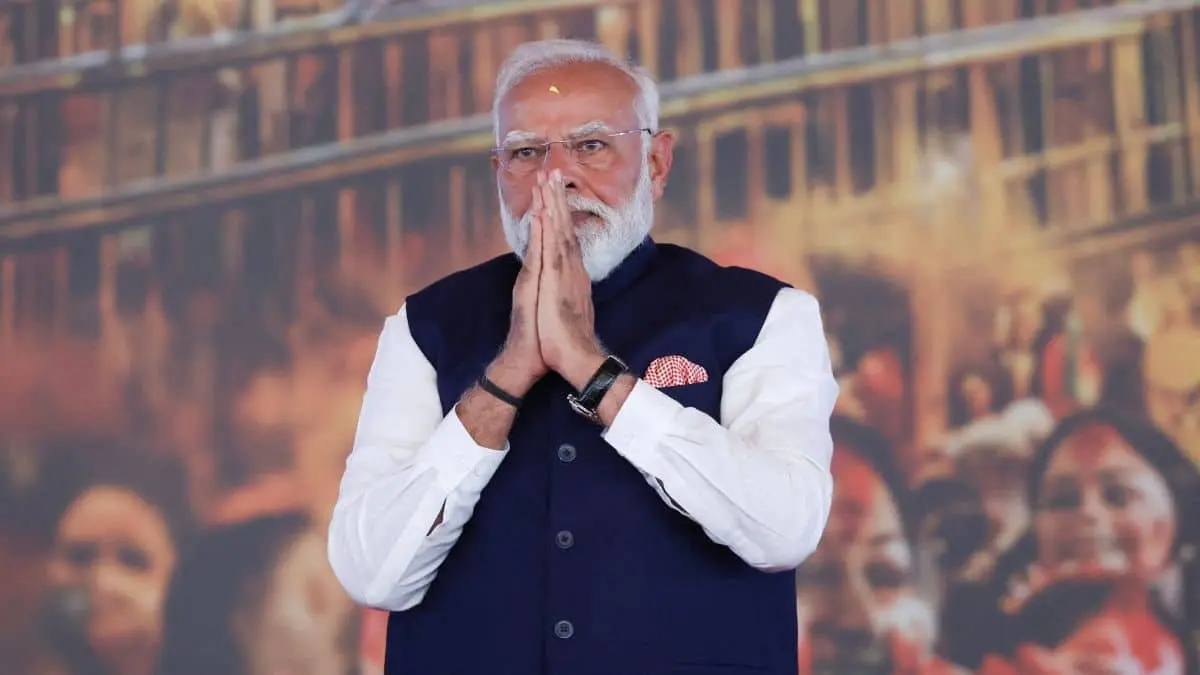
When Prime Minister Narendra Modi landed in Abu Dhabi on May 15, 2026, the clock was ticking. His UAE leg, the shortest on a five-nation tour that includes stops in France, Germany, Japan, and Australia, was originally scheduled for only a few hours. Yet analysts and diplomats agree that this brief stop may well be the most consequential of the entire journey. The reason lies at the intersection of global energy security, a volatile West Asia, and India's long-term economic and strategic interests.
The UAE has long been a cornerstone of India's ‘Look West’ policy. Over the past decade, bilateral trade has surged past $85 billion, making the UAE India's third-largest trading partner. More than 3.5 million Indians live and work in the country, remitting billions of dollars annually. However, the current geopolitical landscape has elevated the relationship to a new level of urgency.
Context: The Iran-Hormuz Crisis and Energy Security
The immediate backdrop to Modi's huddle in Abu Dhabi is the escalating crisis in the Persian Gulf. Tensions between Iran and a US-led naval coalition have disrupted shipping through the Strait of Hormuz, through which about one-fifth of the world's petroleum passes. India, which imports nearly 80% of its crude oil, has been forced to reroute some of its supply chains. A significant portion of India's LNG imports also transit the Gulf.
Earlier this week, Indian authorities confirmed that a 14th Indian LPG ship successfully crossed the Hormuz strait under naval escort. But the long-term stability of the corridor remains uncertain. The UAE, as a major oil producer and a hub for energy trading, is a critical partner for India in navigating these choppy waters. Modi's discussions with UAE President Sheikh Mohamed bin Zayed Al Nahyan are expected to focus on securing alternative energy routes, joint storage facilities, and potential strategic reserves.
Beyond Energy: Trade, Defense, and the Diaspora
The UAE is not merely an energy supplier; it is a gateway to Africa, the Middle East, and Europe. The India-UAE Comprehensive Economic Partnership Agreement (CEPA), signed in 2022, has already boosted non-oil trade. In 2025, bilateral non-oil trade crossed $50 billion. Modi is expected to push for a second phase of CEPA, focusing on services, digital trade, and fintech.
Defense cooperation has also deepened. Joint military exercises like ‘Desert Eagle’ and intelligence sharing against terrorism and piracy have become routine. The UAE's role as a mediator in regional conflicts—including its diplomatic outreach to Iran and its involvement in the Yemen peace process—makes it an indispensable partner for India's West Asia strategy.
Then there is the human element. The Indian diaspora in the UAE, one of the largest in the world, has been a key factor in bilateral relations. Modi has addressed massive diaspora gatherings in Dubai and Abu Dhabi in the past. This visit, though short, is expected to include a community event where Modi will highlight welfare measures such as the new Pravasi Bharatiya Bima Yojana and streamlined consular services.
Why the Short Duration?
Some may wonder: if the visit is so crucial, why keep it brief? The answer lies in the complex logistics of a five-nation tour. Modi is also scheduled to attend the G7 summit in Japan, meet with French President Emmanuel Macron in Paris, hold bilateral talks with German Chancellor in Berlin, and visit Australia for a Quad summit. Each stop has its own heavy agenda. The UAE stop was squeezed in as a strategic priority, reflecting the immediate importance of the Gulf crisis. A longer visit would require more time that simply isn't available. Diplomats note that the UAE leadership fully understands this and has prioritized the substance of talks over symbolic spectacles.
Key Facts and Figures
- Bilateral trade (FY2025): $85.3 billion
- Indian diaspora in UAE: 3.5 million
- Remittances from UAE to India: Approximately $15 billion annually
- Percentage of India's crude oil imported: ~80%
- CEPA signed: February 2022
- Joint military exercises: Desert Eagle, Gulf Star
- UAE's FDI in India (2024-25): $3.2 billion
Historical Context: India-UAE Relations Over a Decade
Modi's visit to the UAE in August 2015 was the first by an Indian prime minister in 34 years. That trip reset the relationship, leading to a strategic partnership agreement. Since then, the two nations have cooperated on counterterrorism, space (including the launch of the UAE's first satellite by ISRO), and cultural exchanges. The Abu Dhabi-based Zayed National Museum features a dedicated gallery on Indian contributions. In 2024, the UAE opened a new consulate in Bengaluru, while India upgraded its mission in Dubai to a full consulate. The establishment of the IIT Delhi-Abu Dhabi campus last year is another milestone. These are not just symbolic gestures; they underpin a relationship that has moved from transactional to truly strategic.
The 2026 visit comes at a time when the multilateral order is under strain. The Russia-Ukraine war continues, US-China rivalry is intensifying, and the West Asia is in turmoil. India's foreign policy has consistently emphasized strategic autonomy, but that does not mean isolation. The UAE offers a reliable partner that has also maintained ties with Russia and China, positioning it as a bridge between various blocs. Modi's short but intense engagement in Abu Dhabi is a testament to this nuanced diplomacy.
What to Watch For
While the visit is closed to the media except for a brief photo-op, several outcomes are expected. A joint statement on energy cooperation, possibly including an agreement on strategic petroleum reserves, may be announced. A memorandum of understanding on fintech and digital payments is also likely, building on the success of the Rupee-Dirham trade settlement mechanism that bypassed the dollar for some transactions last year. Additionally, discussions on the India-Middle East-Europe Economic Corridor (IMEC), announced at the 2023 G20 summit, will be revived given its potential to bypass the Hormuz chokepoint. Finally, Modi is expected to raise the issue of Indian fishermen detained in UAE waters, a long-pending consular matter.
The timing of the visit is also notable: it comes just days after the Trump-Xi meeting in Beijing, where West Asia was a key topic. India has welcomed China's call for a lasting ceasefire in the region but remains wary of any deal that might sideline its own interests. By engaging directly with the UAE, Modi ensures that India's voice remains at the table. The brief stay in Abu Dhabi may not produce headlines about grand parades or city tours, but it will likely yield quiet, substantive agreements that will shape India's energy security and regional influence for years to come. In diplomacy, sometimes the shortest stops carry the longest shadows.
Source: Firstpost News