

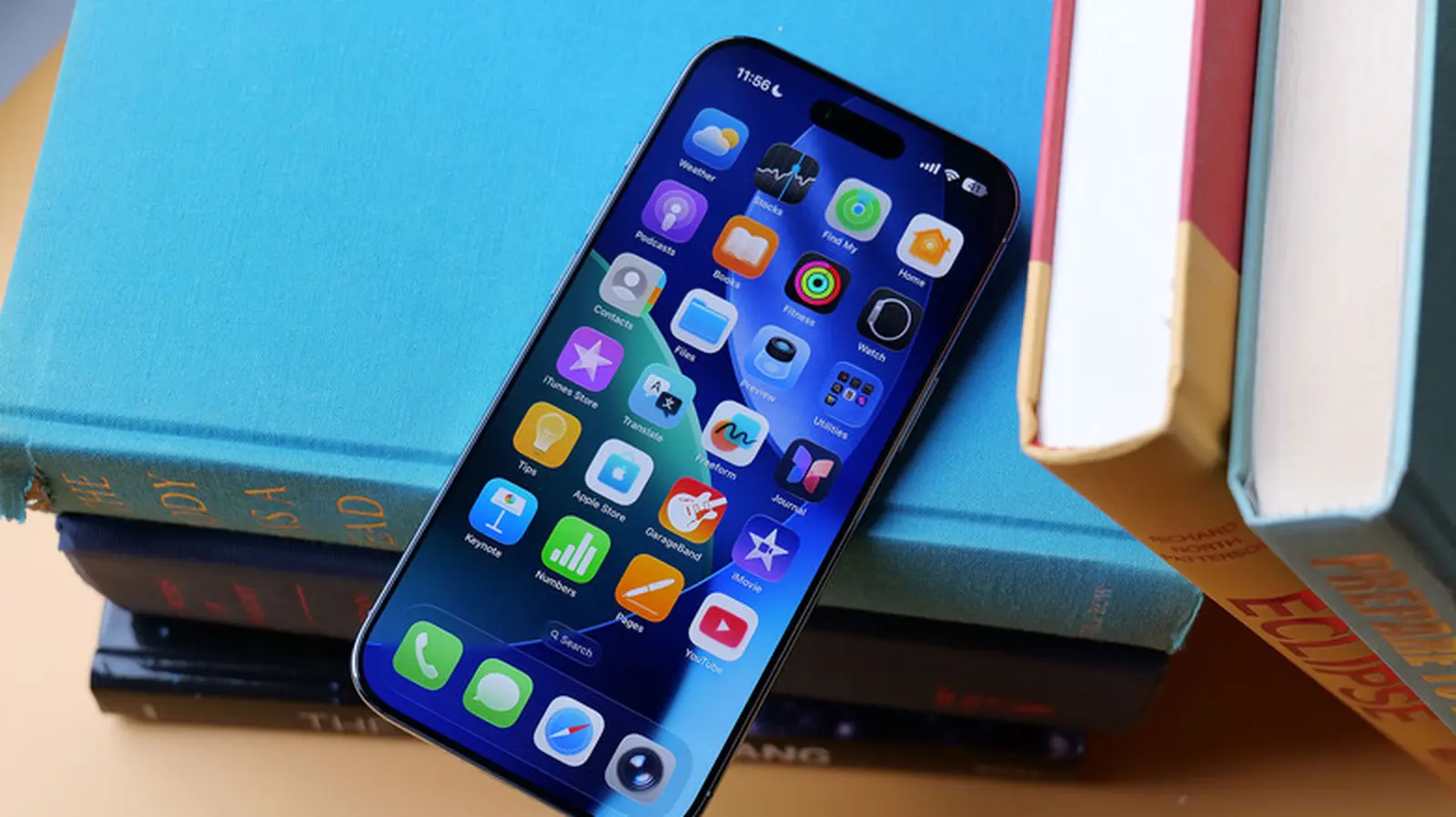
WWDC 2026, the latest version of Apple's yearly developer conference, runs from June 8-12, and by all appearances the company has some important updates to outline. In comparison to Liquid Glass, the design material Apple introduced last year and now uses across all its operating systems, the new features the company is rumored to announce might not be aesthetic, but they could make just as big of a splash. Namely because Apple might finally be ready to show off its second stab at an overhauled version of Siri.
For years, Apple has been playing catch-up in the AI assistant space. Siri, once a pioneer, has fallen behind competitors like Google Assistant, Amazon Alexa, and more recently, generative AI chatbots like ChatGPT and Google Gemini. The assistant's limited abilities to handle complex, multi-step tasks or provide natural conversational interactions have been a source of frustration for many users. WWDC 2026 may mark a turning point, with Apple set to introduce a radically redesigned Siri that leverages large language models and on-device intelligence to compete more directly with the latest AI tools.
iOS 27 may be redesigned around Siri
The closer we get to June 8, the more leaks slip out. In the latest of such reports, Bloomberg's Mark Gurman said the company's "much-anticipated Siri overhaul is set to become the centerpiece of its next iPhone, iPad and Mac software updates." The publication has created renderings of the upcoming software based on "information viewed by Bloomberg and people with knowledge of the company's plans." These show the "revamped Siri interface, a new chatbot-style app and other major iOS 27 changes that the company plans to announce at its June 8 Worldwide Developers Conference."
The ability to work with onscreen content and a user's personal data remain part of the new Siri's skillset. Gurman added that a standalone Siri app is also coming, and is "designed to compete more directly with ChatGPT and other AI assistants." Elsewhere, the Siri redesign will relocate where you see the assistant's animated icon after invoking it. Whether you say "Siri," "Hey Siri" or long press the power button, an updated animation will appear in the Dynamic Island at the top of the screen. Currently, when you invoke Siri, the animated orb pops up at the bottom, which can get in the way of buttons or other navigational elements. This does mean that those using older iPhones without the pill shaped notch might not get the same experience.
According to Gurman, Apple will introduce a new way to work with Siri. Swiping down from the top center of the iPhone will "launch a new Search or Ask interface" that features a "revamped Siri experience designed for getting things done or searching by typing." That gesture currently brings down your notification shade, and Gurman added that the "Notification Center can now be opened by swiping down from the top left." This is sure to frustrate anyone that is resistant to change.
There are many more Siri-related changes detailed by the Bloomberg report, as well as iOS 27 updates including a customizable camera app, bug fixes and a refinement of the Liquid Glass design. The camera app is expected to offer more manual controls and a redesigned interface that better utilizes the larger screen real estate of modern iPhones. Bug fixes will address numerous issues that have plagued users since the iOS 26 release, including battery drain, UI glitches, and inconsistent notifications. The refinement of Liquid Glass aims to reduce the visual clutter and improve readability, potentially adding a system-wide slider to adjust the intensity of the translucency and reflectivity effects that define the design language.
Gurman also noted that the revamped Siri could be released "as early as September" and is likely to be Tim Cook's "final major product launch" before handing the reins over to John Ternus. This timeline aligns with Apple's typical fall release schedule for new iPhones and major iOS updates. The launch of a significantly improved Siri would serve as a fitting capstone to Cook's tenure, highlighting Apple's renewed commitment to artificial intelligence.
A Snow Leopard-esque approach to stability and performance
Apple released Mac OS X Snow Leopard in 2009, primarily as a way to clean up the performance and refine the new features the company released with Mac OS X Leopard two years prior. The decision to essentially "take a year off" to focus on making everything about the company's desktop operating system feel better was well-received, and Apple is apparently planning to have iOS 27 serve a similar role. Bloomberg reported in November that Apple's upcoming update will be "focused on improving the software's quality and underlying performance" and that the company's "engineering teams are now combing through Apple's operating systems, hunting for bloat to cut, bugs to eliminate and any opportunity to meaningfully boost performance and overall quality." Those fixes will presumably extend to the company's other operating systems, too.
Some of this effort may also be focused on cleaning up the visual changes introduced in Apple's big switch to Liquid Glass. The design overhaul has been controversial among the company's diehard fans, and Apple has already introduced tweaks in updates that arrived after the release of iOS 26 to make Liquid Glass interfaces more legible. Bloomberg reported the company could go a step further in its next updates and add a system-wide slider that will allow users to adjust the intensity of Liquid Glass (visual effects like translucency and reflectivity) they want in the interface. This user-controlled customization would address a major criticism and give users more agency over the look and feel of their devices.
The Snow Leopard comparison is particularly apt because iOS 27 is not expected to introduce radical new visual themes. Instead, the focus is on making the existing features work faster and more reliably. This includes optimizing app launch times, reducing memory usage, improving battery life through better background task management, and ensuring that the underpinnings of the operating system are robust enough to support future innovations, including the anticipated Siri overhaul. The stability improvements are a direct response to the performance complaints that have surfaced after the dramatic Liquid Glass redesign, which while beautiful, proved resource-intensive on older devices.
The chatbot-ification of Siri
As mentioned earlier, Apple is also rumored to be making some major changes to Siri. When the company first introduced Apple Intelligence at WWDC 2024, it promised to launch an updated version of the voice assistant that could use your personal context (like the information securely stored on your iPhone) to act across apps. Apple delayed those features in March 2025 and then announced a partnership with Google in January 2026 to use Gemini models to presumably make them possible. That partnership was seen as a pragmatic move to leverage Google's advanced AI capabilities while Apple continues to develop its own large language models in-house.
Those features might finally arrive in this year's updates, as well as in the dedicated Siri app described in Bloomberg's report in May. This would make the assistant more interactive and natural to speak to, and could open up other possibilities, like letting users direct Siri to perform two actions at the same time. For example, you could ask Siri to "schedule a meeting for tomorrow at 10 AM and send a message to Sarah about it" in a single command. Developers will reportedly also be able to integrate their own AI assistants with Siri, much like OpenAI has with ChatGPT through plugins. This extensibility could turn Siri into a platform for third-party AI services, similar to how the App Store transformed the iPhone.
The new app will let users prompt the assistant to take care of tasks on their device, search the web and even access news, not unlike current Gemini and ChatGPT apps. Bloomberg wrote that the app will also be a way to review past conversations with Siri and receive suggestions of prompts to try with the new chatbot version of the assistant. This conversation history feature is a hallmark of modern AI chatbots and will allow for more contextual and continuous interactions. Users could, for instance, ask follow-up questions without needing to repeat the context of their previous request.
As for the reported "Ask Siri" interface, it may appear as an option in app menus, and allow you to ask the AI assistant questions about content in the app. It's not clear if this will be as in-depth or capable as Google's Ask Maps or Ask Photos features, but it at least seems like Apple's thinking along the same lines as its partner. Integrating Siri directly into apps via contextual menus would make the assistant more ubiquitous and useful, allowing users to get answers or perform actions without leaving their current app. For example, in a news app, you could highlight a paragraph and select "Ask Siri" to get a summary or background information.
The emphasis on AI is also expected to spill over into other parts of the WWDC keynote. Apple is likely to announce new developer tools and frameworks that make it easier to integrate machine learning models into apps, possibly building on the Core ML and Create ML frameworks. There are rumors of a new "Apple Intelligence SDK" that would allow developers to create custom on-device AI experiences while maintaining user privacy through differential privacy and on-device processing.
Alongside the iOS 27 announcements, Apple will also preview the next versions of its other operating systems. iPadOS 27 will likely mirror many of the iOS changes, with additional optimizations for the iPad's larger screen, multitasking improvements, and perhaps new features for the Apple Pencil. macOS 27, code-named "Cheetah" according to some rumors, will bring the revamped Siri and stability improvements to the Mac, along with continued integration between Mac and iPad apps via Catalyst. watchOS 11 is expected to focus on health monitoring enhancements, including new sleep tracking metrics and possibly blood glucose monitoring support. visionOS 3 will likely refine the spatial computing experience with better hand tracking and additional productivity features. tvOS 27 may introduce a redesigned home screen and improved integration with Apple's smart home platform, HomeKit.
Developers attending WWDC 2026 will have access to over 100 in-depth sessions and labs where they can learn about the new APIs and get hands-on help from Apple engineers. The Platforms State of the Union stream will provide a deeper dive into the technical changes, and the Apple Design Awards will recognize outstanding app design. The conference is also expected to feature a special augmented reality experience that showcases the capabilities of visionOS, possibly hinting at future hardware announcements.
Overall, WWDC 2026 is shaping up to be one of the most consequential in recent memory. While the absence of blockbuster hardware announcements may disappoint some, the software updates—particularly the Siri overhaul and the focus on stability—could fundamentally improve the user experience across Apple's ecosystem. With AI becoming the centerpiece of the announcements, Apple is signaling that it intends to remain a major player in the rapidly evolving world of intelligent assistants. The success of these updates will likely determine the trajectory of Apple's software strategy for years to come.
Source: Engadget News