

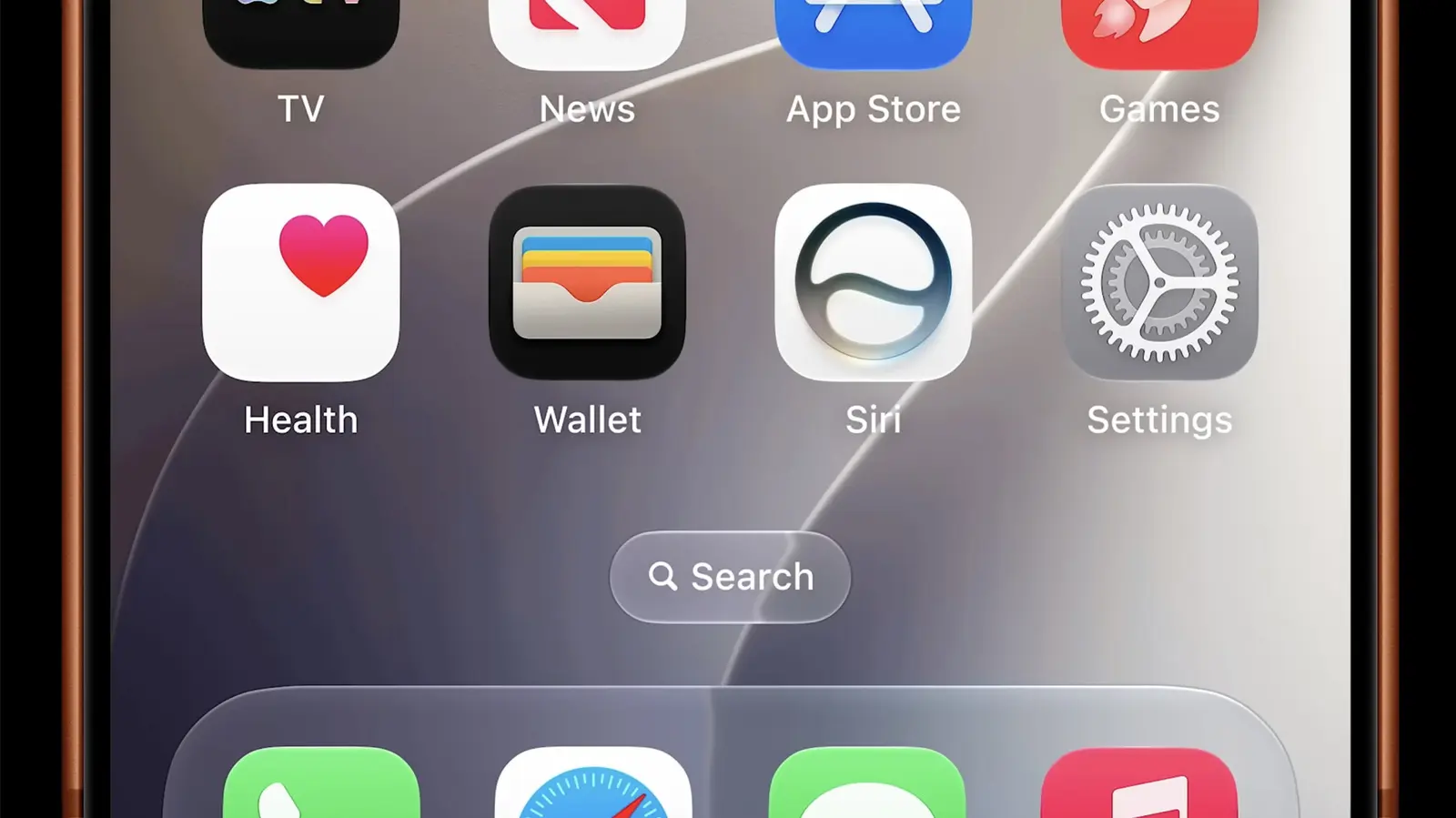
Apple continues its steady march toward the public release of iOS 27 this fall, and today marks a notable milestone with the release of the second developer beta. Following the initial beta seeded shortly after the Worldwide Developers Conference (WWDC) 2026 keynote, this iterative update refines many of the headline features introduced at the event. Developers and beta testers can now download the latest builds for iOS 27, iPadOS 27, and macOS 27, with a heavy emphasis on enhancing the user experience through deeper artificial intelligence integration and improved communication tools.
Focus on Siri: Write with Siri and Performance Tweaks
The most talked-about improvements in this beta revolve around Siri, Apple's virtual assistant, which has undergone a major overhaul in recent years. In iOS 27 beta 2, the company is rolling out a feature previously highlighted during WWDC: Write with Siri. This replaces the older AI-powered Writing Tools prompt that appeared when users began typing in text fields. Now, a large, conspicuous prompt reading "Write with Siri" appears above the keyboard before any characters are entered. Once the user starts typing manually, the prompt shrinks to a small Siri icon, minimizing distraction. This design change signals Apple's intent to position Siri as an active writing assistant, capable of generating or refining text on demand, rather than a passive tool that only responds to explicit invocation.
Beyond the visual interface, the beta includes incremental performance improvements. Early reports from testers suggest that Siri now processes requests faster, with reduced latency in both voice and text interactions. The Expressive Voice preview, a feature allowing users to customize Siri's tone and delivery, now shows a "coming soon" label for some elements, indicating that Apple is still fine-tuning the underlying technology. These changes align with the company's broader ambition to make Siri a central, intelligent layer across all of its operating systems—a theme that was heavily emphasized in the WWDC presentation.
The evolution of Siri has been a long journey. Launched in 2011 with the iPhone 4S, it was one of the first mainstream voice assistants. However, it faced years of criticism for lagging behind competitors like Google Assistant and Amazon Alexa in natural language understanding and contextual awareness. Apple has responded by investing heavily in machine learning and on-device processing, culminating in the introduction of a more conversational Siri with iOS 26. Now, with iOS 27, the company is pushing even further by integrating large language model capabilities, allowing Siri to compose emails, summarize documents, and even generate creative writing. Write with Siri is the first tangible evidence of this new direction.
RCS Messaging: Reactions and In-Line Replies
Another significant area of improvement in the beta is Rich Communication Services (RCS) within the Messages app. Apple announced support for RCS in late 2024, and it has been gradually expanding the feature set ever since. iOS 27 beta 2 introduces two highly requested capabilities: message reactions (tapbacks) and in-line replies for RCS messages. This means that when an Android user sends a reaction to an iMessage-like bubble, the iPhone user will now see the reaction properly rendered, rather than a clumsy text description such as "Liked 'Hello'." Similarly, in-line replies allow users to respond directly to a specific message within a group chat, keeping conversations organized.
These changes are part of a broader push toward interoperability between Apple's iMessage ecosystem and the rest of the messaging world. RCS, which is supported by Google and major carriers, provides features like read receipts, typing indicators, and high-quality media sharing. Apple's adoption has been seen as a concession to regulatory pressures and user demands for better cross-platform communication. The addition of reactions and in-line replies makes the experience more seamless, reducing the friction for users who communicate with friends and family on non-Apple devices.
The rollout of RCS features has been gradual. Initially, iOS 27 alpha builds only supported basic text messaging over RCS. Beta 1 introduced high-quality image and video sharing. Now, with beta 2, the messaging experience is nearly on par with iMessage for basic interactions. Security also remains a priority: Apple has ensured that RCS messages are encrypted using TLS in transit, though end-to-end encryption remains an industry-wide challenge for RCS, unlike iMessage. The company continues to advocate for stronger standards through participation in the GSM Association.
Other Notable Changes
The beta also includes several fixes and refinements across the system. In macOS 27 Golden Gate, the iPhone Mirroring feature—which allows Mac users to view and control their iPhone screen from the desktop—has received a batch of bug fixes. Beta 1 users reported connectivity drops and delayed responses when interacting with mirrored apps. These issues appear to be resolved in beta 2, making the feature more reliable for everyday use.
Meanwhile, the AirPods Max 2 now receive firmware updates through the iOS beta. Previously, firmware updates for the over-ear headphones required a manual connection to a computer or were pushed silently without user control. The new capability enables seamless over-the-air updates, ensuring that users always have the latest features and security patches. This is a welcome change for audiophiles who depend on AirPods Max for professional audio work.
Additional minor tweaks include adjustments to the Dynamic Island interface for Siri interactions, updated privacy indicators in the status bar, and a refreshed Control Center layout for iPadOS 27. The find-my network integration has also been enhanced, allowing third-party accessories to leverage ultra-wideband precision finding more effectively.
Beyond the known changes, beta testers are encouraged to explore for hidden gems. Often, Apple includes undocumented features that are only discovered by the community. For example, developers have already noticed new APIs for health tracking and improved haptic feedback patterns that could indicate upcoming hardware capabilities. The company is known for seeding modifications early to allow app developers ample time to adapt.
As the beta cycle continues, the public's patience will be tested by the usual battery drain and occasional instability. But for those who can tolerate the rough edges, beta 2 offers a clear view of what’s to come this September. With each iteration, Apple is refining the intelligent assistant experience, bridging the gap between iOS and other platforms, and solidifying the ecosystem around a unified, AI-driven interface.
The developer beta is available now for enrolled accounts, and a public beta is expected later in July. As always, users should back up their devices before installing, and avoid installing beta software on primary devices unless they are prepared for potential bugs. The final release of iOS 27, iPadOS 27, and macOS 27 is anticipated in mid-September, likely alongside new iPhone and Apple Watch models.
Source: Engadget News