

Google’s Smart Home Pivot: What the Numbers Really Mean
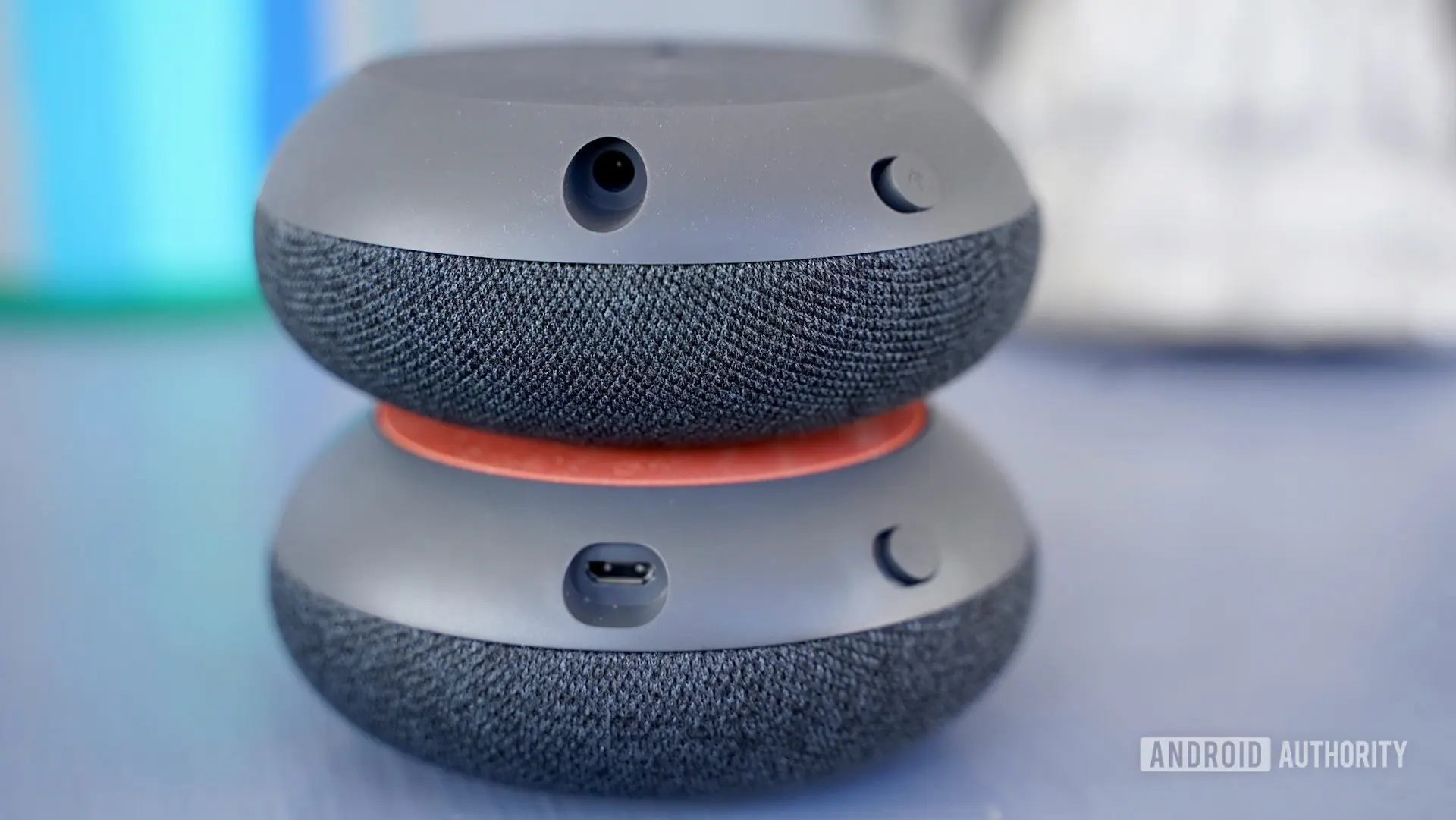
Google has long been a contender in the smart home market, competing head-to-head with Amazon’s Echo line and Apple’s HomePod. Its Nest series, particularly the budget-friendly Nest Mini and the mid-range Nest Audio, carved out a loyal following among cost-conscious consumers. However, recent reports indicate that Google may be phasing out these affordable devices in favor of a new, more expensive “Google Home Speaker.” The decision has sparked widespread concern among users, and a new reader poll confirms that Google might be making a massive mistake.
The survey, which garnered thousands of responses, paints a stark picture. A staggering 91.4% of readers will miss the old Google audio products when they’re gone. Of these, 48.3% value them for their functionality, while 43.1% appreciate their affordability. Only 6.5% of respondents side with Google, believing the Nest devices are outdated. Most tellingly, just 2.1% (117 voters) plan to upgrade to the new Home Speaker.
This data suggests that Google’s shift toward higher-priced hardware could alienate its core user base. The Nest Mini, often priced at $49 or less, has been a gateway device for many households. Its successor is expected to cost around $99 – triple the price – without offering revolutionary improvements. For users like James TS, who owns five Nest Minis, the declining performance due to the Gemini integration is already a pain point. He notes that the devices have “slowly gotten worse” since around 2020 and that he’ll look at other products when they die.
The Gemini Factor: Performance Woes
One of the key complaints cited in the survey is the forced switch from Google Assistant to Gemini. Reader shonclark describes the experience as a “huge drop off in performance,” calling it “painful and agitating.” This sentiment is echoed by many others, who note that simple tasks now take longer or fail altogether. The issue highlights a broader problem: Google’s smart home ecosystem has become less reliable over time.
Gemini was intended to bring advanced AI capabilities to smart speakers, but the transition has been rocky. Users report that voice recognition, smart home control, and music playback have all degraded. For a product that once set the standard for responsiveness, this decline is alarming. If Google cannot stabilize performance on the new hardware, the higher price tag will be even harder to justify.
Historical Context: Google’s Smart Home Journey
Google entered the smart speaker market in 2016 with the original Google Home. The device was well-received for its integration with Google services and strong voice assistant. In 2017, the company introduced the Google Home Mini, a compact and affordable speaker that quickly became a best-seller. The Nest brand was later folded into Google products, and the Nest Mini (2019) and Nest Audio (2020) continued the tradition of offering solid performance at a low cost.
These devices helped Google build a vast installed base, particularly among households that wanted to experiment with smart home features without a major financial commitment. They also served as entry points for the broader Nest ecosystem of thermostats, cameras, and doorbells. By killing off the budget line, Google risks losing those customers to competitors like Amazon, which still offers the Echo Dot for $49, or even cheaper third-party alternatives that support Alexa.
What the Competition Is Doing
Amazon, Google’s primary rival, has not abandoned the budget segment. The Echo Dot (5th Gen) is often available for $39.99, and the Echo Pop sells for $39.99 as well. Even Apple, which generally avoids low-cost products, offers the HomePod mini at $99 – but it faces its own limitations and lacks the same smart home integration breadth.
Other brands like Sonos, Bose, and JBL operate at higher price points but focus on audio quality rather than ecosystem lock-in. For consumers who simply want a reliable assistant for timers, weather, and lighting control, the budget Nest devices were ideal. Without a comparable offering from Google, those users may switch to Alexa or even to smart displays from Lenovo or others that run Google Assistant but are priced competitively.
The Risk of Abandoning the Lower End
Market analysts have long noted that the smart home market is split between premium enthusiasts and everyday users who want affordable, functional devices. By abandoning the lower end, Google is effectively ceding a large portion of the market to Amazon and others. While the new Google Home Speaker may offer better sound and design, it will compete in a crowded premium space that already includes the Amazon Echo Studio, Apple HomePod, and Sonos Era 100.
Moreover, the survey indicates that most users are not eager to pay more. Only 2% plan to upgrade, meaning Google may fail to retain its existing customer base. If these users leave, they may also take their smart home devices (Nest Thermostats, Cameras) with them, as many prefer to stay within a single ecosystem. This could hurt Google’s broader smart home ambitions.
What Google Could Do Differently
Google could still reverse course. One option is to introduce a “Google Home Speaker Mini” – a smaller, cheaper version of the new speaker that retains the functionality but at a lower price. Another is to improve Gemini’s performance on existing devices to rebuild trust. Google also has the opportunity to differentiate the new speaker by adding genuinely useful features, such as a built-in Thread border router for Matter compatibility, better microphones for multi-room audio, or deeper integration with Google TV and Pixel devices.
However, without addressing the price-value gap, the company risks a repeat of the Pixel Watch or Pixel Tablet launch, where high prices limited adoption. The smart home market is mature, and consumers have many choices. Loyalty is not guaranteed.
Reader Voices and Concerns
Beyond the survey numbers, the comments section reveals a deep sense of frustration. Many users feel Google is ignoring their needs. One reader remarked that the Nest Mini was “perfect for what it does” and that the new speaker is “overkill.” Another pointed out that the forced Gemini transition made the devices almost unusable. Some are already exploring alternatives, such as Amazon Echo devices or even open-source platforms like Home Assistant.
One of the biggest concerns is the lack of a budget entry point. Without a cheap speaker, new users may be unwilling to invest in Google’s smart home ecosystem. Existing users may delay upgrades or switch away. The survey’s 91.4% miss rate is a warning sign that Google should not ignore.
Where Does Google Go From Here?
Google has not officially confirmed the death of the Nest Mini and Nest Audio, but the stock shortages and launch of the Home Speaker point to an inevitable phase-out. The company is betting that better hardware and Gemini’s AI capabilities will win over users. But the poll results suggest that bet may be misguided. For now, the future of Google’s smart home line hangs in the balance, and the next few months will be critical.
If Google listens to its user base and addresses performance issues, it may salvage the situation. If it presses ahead without a budget option, it could watch its smart home market share dwindle. The choice is clear, but the path forward requires a willingness to compromise and adapt – something Google has historically struggled with in its consumer hardware division.
Source: Android Authority News