

Air fryers have become nearly as ubiquitous as microwave ovens in modern kitchens. Their compact size, ease of use, and ability to produce crispy, lower-fat versions of fried foods have made them a staple for many households. However, the emergence of smart ovens—appliances that connect to Wi-Fi, respond to voice commands, and offer multiple cooking modes—has sparked a debate: Are smart ovens poised to dethrone the air fryer? A closer look at market trends, consumer behavior, and technological overlap suggests that both devices are here to stay, each carving out its own space in the evolving landscape of kitchen gadgets.
To understand the current dynamic, it helps to examine the market data. According to Grand View Research, the global air fryer market was valued at $1.28 billion in 2023 and is projected to reach $2.07 billion by 2030. This growth is fueled by a growing awareness of healthier cooking methods, the influence of social media trends (such as viral air fryer recipes on platforms like TikTok and Instagram), and the affordability of entry-level models. In contrast, the smart oven market, as reported by Global Market Insights, was valued at just over $317 million in 2024, with expectations to climb to $918 million by 2034. While the smart oven segment is growing at a healthy rate, it remains significantly smaller than the air fryer market. The gap is substantial, but both categories are experiencing steady upward trajectories.
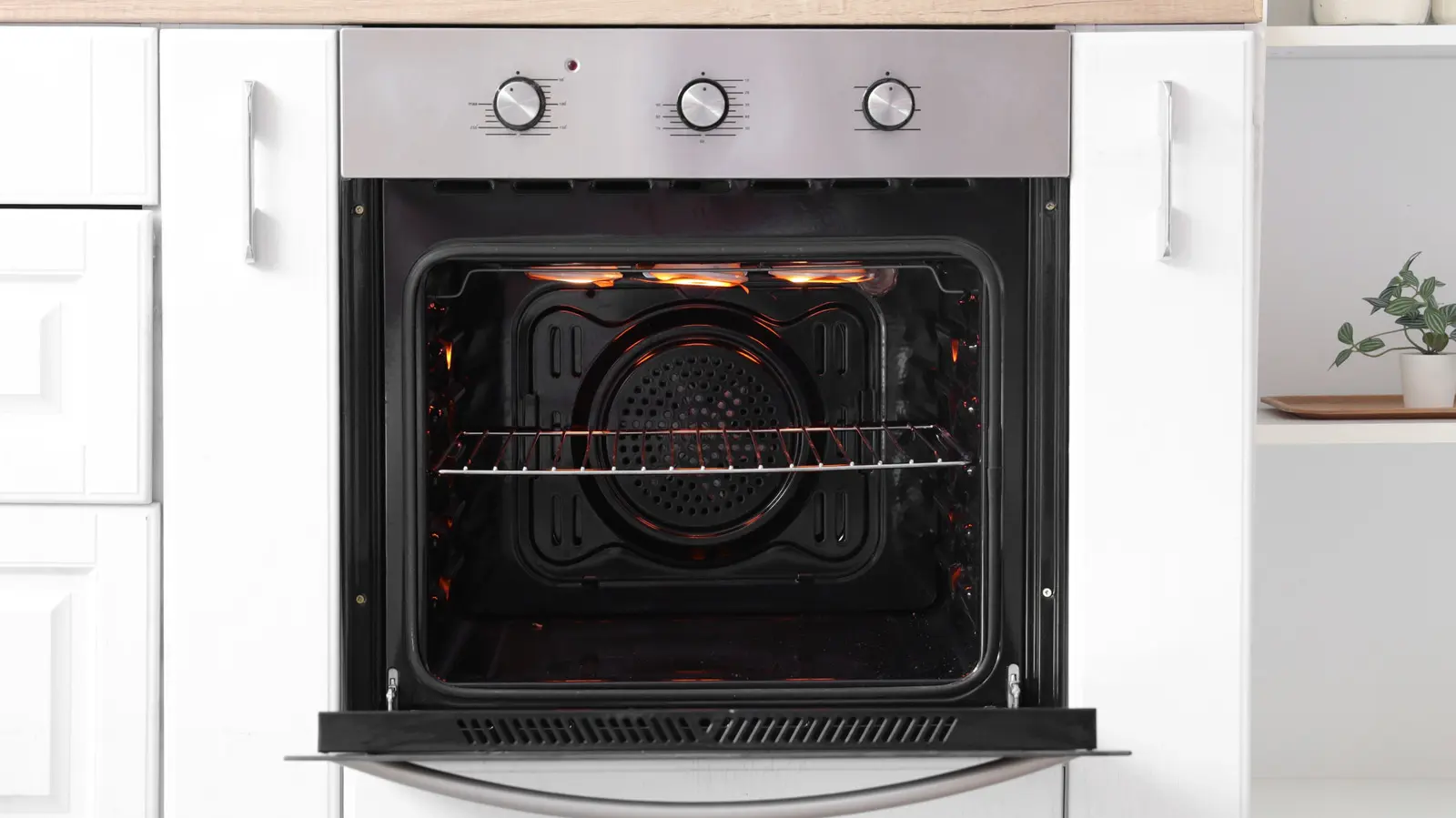
One of the key reasons for the overlap between these appliances is that many smart ovens now incorporate air frying functionality. This convergence is driven by consumer demand for multifunctional devices that save counter space and reduce the number of appliances cluttering the kitchen. A smart oven can typically bake, broil, roast, toast, and—thanks to a convection fan and heating elements—air fry. By combining these capabilities, manufacturers aim to offer a single appliance that replaces multiple standalone units. For instance, models from brands like Samsung, GE, and June feature built-in air frying modes that use high-speed air circulation to achieve results similar to those of dedicated air fryers.
However, performance can vary widely between models. Some smart ovens deliver excellent air frying results, with even browning and crispy exteriors, while others may require adjustments to cooking time or temperature. The inconsistent performance is a noted drawback. Many home cooks have found that air fryers, because of their smaller cavity and more concentrated airflow, often cook food faster and more evenly than a larger smart oven. This is especially true for items like frozen french fries, chicken wings, or vegetables, where the rapid air circulation of a dedicated air fryer produces superior texture. Conversely, for larger meals or foods that benefit from a longer, slower cook (e.g., whole chickens or roasts), a smart oven's versatility shines.
Another factor is energy efficiency. Air fryers are generally smaller and consume less electricity than full-sized ovens, including smart ovens. This makes them an attractive option for quick meals or for individuals living in small apartments or dorms. On the other hand, smart ovens often feature insulation and energy-saving modes that can mitigate their larger footprint. Some models even use predictive algorithms to optimize power usage based on the food being cooked. Nonetheless, for a single portion of frozen snacks, an air fryer will almost always be more cost-effective to operate than a preheated smart oven.
Cleanup is another point of comparison. Air fryer baskets and trays can be cumbersome to wash, especially if food residue sticks to the non-stick coating. Many users end up scrubbing by hand or using paper towels to wipe out grease. Smart ovens, by contrast, often use standard baking sheets or pans that can be placed in the dishwasher. However, the interior of a smart oven may require periodic self-cleaning cycles or manual wiping, depending on the model. The convenience of cleaning a flat tray versus a deep basket is subjective, but it does affect long-term user satisfaction.
The role of smart features cannot be overlooked. Smart ovens offer remote control via smartphone apps, voice activation through assistants like Amazon Alexa or Google Assistant, and integration with other smart home devices. This allows users to preheat the oven from the couch, check cooking status while at work, or receive notifications when food is ready. Air fryers, while often equipped with digital displays and preset programs, rarely offer such connectivity. However, many consumers find that the added complexity of smart features is not necessary for simple tasks like reheating leftovers or making a quick snack. For tech enthusiasts and those who value convenience, the smart oven's capabilities are a major selling point.
Historical context helps explain the current landscape. The air fryer gained mainstream popularity around 2010, following the launch of the Philips Airfryer at the IFA consumer electronics show. It was marketed as a healthier alternative to deep frying, using up to 80% less oil. The concept quickly caught on, and by the mid-2010s, dozens of manufacturers were offering air fryers in various sizes and price points. The device became a social media sensation, with countless recipes and hacks circulating online. Meanwhile, smart ovens have been evolving for decades, but their modern iteration—with Wi-Fi connectivity and integrated sensors—really took off after 2015. The first smart ovens, like the June Oven (launched in 2016), combined a convection oven with a camera and an AI-powered cooking guidance system. Today, major appliance brands such as Whirlpool, LG, and Bosch have all introduced smart oven models, many with air frying capabilities.
Consumer preferences are also shifting. A 2025 survey by the market research firm Statista found that 42% of U.S. households owned an air fryer, while only 12% owned a smart oven. Among those planning to purchase a new kitchen appliance in the next 12 months, 18% considered an air fryer, compared to 25% who considered a smart oven. This suggests that while air fryer ownership is high, the smart oven segment is gaining traction among upgraders and new buyers. The survey also revealed that the primary reasons for considering a smart oven were multifunctionality (64%), space savings (51%), and smart home integration (42%). These factors align with the broader trend toward kitchen appliances that do more with less.
From a culinary standpoint, air fryers excel at specific tasks. They are ideal for achieving a crispy exterior on foods like chicken tenders, fish fillets, and vegetables without deep frying. They also reheat leftover pizza, fried chicken, and pastries more effectively than a microwave, restoring crispness. Smart ovens, on the other hand, offer superior ability to handle larger items, multiple dishes simultaneously (if using multiple racks), and delicate baked goods like cakes and cookies, where precise temperature control is crucial. For home cooks who enjoy a variety of cooking styles, a smart oven may be a better all-rounder, whereas someone who frequently craves crispy snacks might prefer a dedicated air fryer.
Cost is another decisive factor. Entry-level air fryers can be found for as little as $30, while high-end models with multiple functions might reach $200. Smart ovens, however, start at around $300 and can exceed $1,500 for premium built-in models with advanced sensors and camera systems. This price gap means that for budget-conscious consumers, an air fryer is far more accessible. Nonetheless, the long-term value proposition of a smart oven—potentially replacing a toaster, microwave, and traditional oven—can justify the higher upfront cost for some.
The environmental impact also plays a role in the decision. Air fryers, being smaller, generally use less energy and materials to manufacture. Their compact size means less packaging waste. However, smart ovens often feature eco-friendly modes and can reduce overall energy consumption by encouraging batch cooking or using the correct appliance for the job. The energy efficiency of cooking appliances is becoming a greater consideration as consumers seek to lower their carbon footprint.
Looking at the broader picture, the kitchen appliance market is seeing a convergence of functionalities. Manufacturers are increasingly pushing toward single devices that can perform multiple tasks. This is evident in the rise of multi-cookers like the Instant Pot, which combine pressure cooking, slow cooking, sautéing, and sometimes air frying. Similarly, smart ovens are absorbing air fryer capabilities just as they have absorbed toaster and convection oven features. The question is not whether one will replace the other, but how they will coexist. For the foreseeable future, air fryers will maintain their stronghold as affordable, effective single-purpose devices with a proven track record. Smart ovens, meanwhile, will continue to evolve, offering more precise cooking algorithms, better user interfaces, and deeper integration with smart home ecosystems.
In practice, many households own both. A 2024 report from the Consumer Technology Association found that 27% of air fryer owners also owned a smart oven. This suggests that consumers see them as complementary rather than competing. The air fryer handles quick, small-batch cooking, while the smart oven covers larger meals and more versatile recipes. For example, a user might air fry chicken wings for a party and later use the smart oven to roast a turkey and bake a pie. The redundancy is minimal because each appliance has clear strengths.
Finally, the role of innovation cannot be understated. Air fryer manufacturers are also adding smart features. Some newer models now offer Wi-Fi connectivity and app controls, blurring the line between the two categories. For instance, the Cosori Smart Air Fryer allows users to monitor and control cooking from a smartphone. Meanwhile, smart oven makers are improving air frying performance by optimizing fan speed and heating element placement. As technology progresses, the distinction may become even less clear. Ultimately, the kitchen of the future may not ask its owner to choose between a smart oven and an air fryer; instead, it may offer a single, intelligent appliance that seamlessly switches between cooking modes based on the food and desired outcome.
Source: SlashGear News