

Theranos Edison
Theranos promised a revolutionary blood-testing device called the Edison that could run dozens of tests from a single finger prick. The reality was fraud: the machine rarely worked, and founder Elizabeth Holmes eventually received an 11-year prison sentence for deceiving investors and patients. The case remains a stark warning about blind faith in tech hype.
Humane AI Pin
Billed as a smartphone replacement, the Humane AI Pin was a wearable device with a laser projector and voice assistant. Critics called it the worst product ever reviewed, with poor battery life, unreliable AI, and an impractical design. The company shut down in 2025, and HP bought its remnants.
Rabbit R1
The Rabbit R1 aimed to be an AI-powered assistant to automate app tasks without subscription fees. Early reviews were scathing, calling it barely functional and a gimmick. Later updates improved the device, but its narrow use cases make your smartphone a better option.
Juicero
Juicero sold a $700 juicer that required proprietary pouches of pre-chopped fruit. Investigations revealed that squeezing the pouches by hand produced the same result, exposing the device as an overpriced, wasteful scam. The company folded in 2017.
Amazon Dash
Amazon Dash buttons were physical reorder buttons for household products like toilet paper. They proved wasteful, vulnerable to accidental presses, and soon became obsolete as smartphones and Alexa could order with ease. Amazon discontinued the program in 2019.
Google Stadia
Google Stadia launched in 2019 as a cloud gaming platform, but it suffered from a poor game library, technical glitches, and confusing pricing. Google shut down its internal studios and pulled the plug in 2023, leaving the controller repairability nightmare as a bitter aftertaste.
Spotify Car Thing
Spotify's Car Thing was a dedicated dashboard controller for music streaming. It required a smartphone and failed to compete with CarPlay or Android Auto. Spotify stopped production in 2022 and remotely bricked the devices, sparking user outrage. Community hackers later revived them.
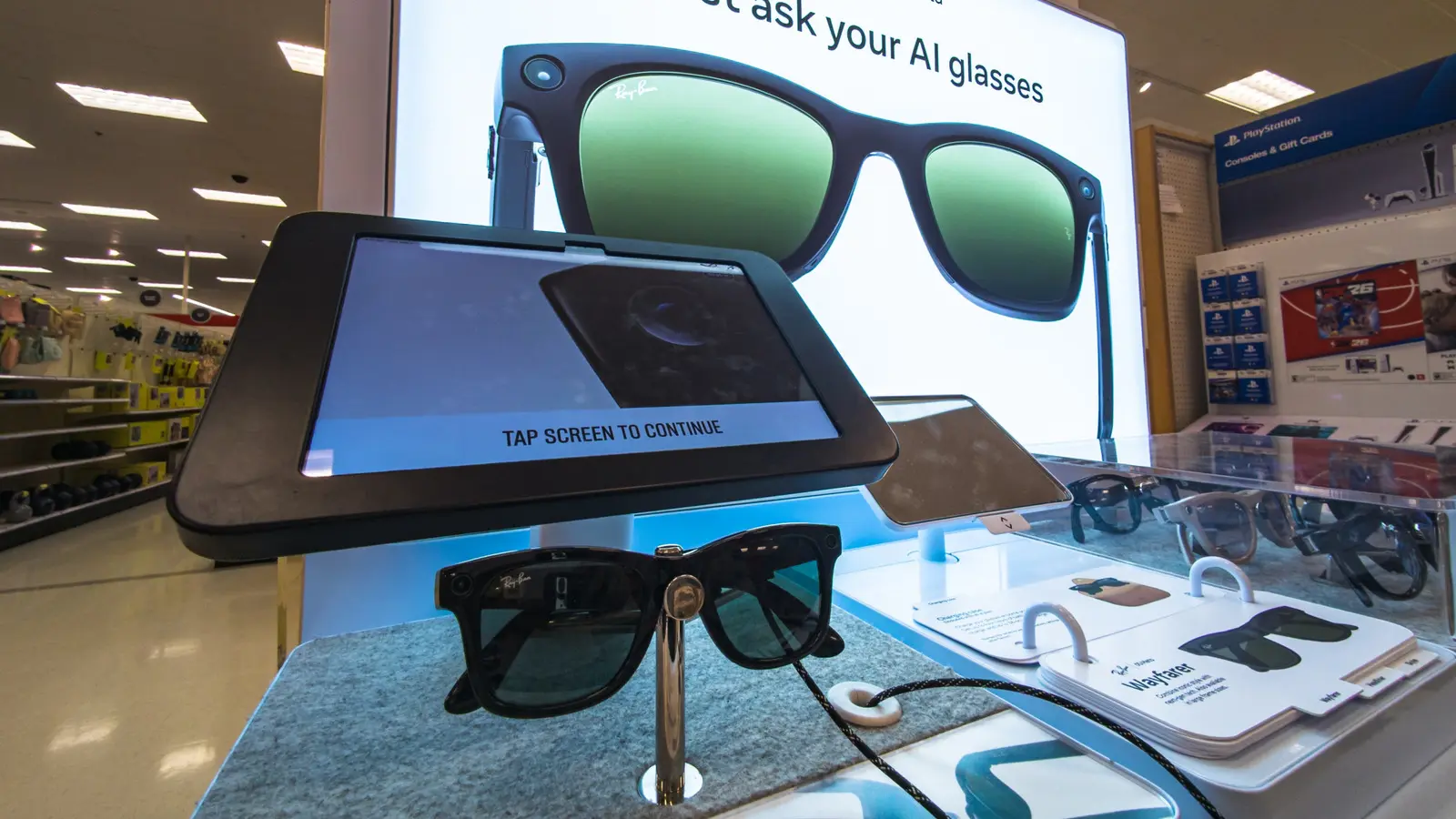
Meta AI Glasses
Meta's Ray-Ban AI glasses offer a small display and voice control, but reviews highlight limited usefulness, eye fatigue, and a high price. Worse, they enable surreptitious recording, raising privacy concerns. The technology remains a beta product not ready for mainstream adoption.
Tesla Optimus
Elon Musk's humanoid robot, Optimus, has been shown in controlled demos that later turned out to be tele-operated. It has struggled with basic tasks, and industry experts question the viability of general-purpose humanoids. The project seems more about marketing than practical robotics.
Amazon Fire Phone
Launched in 2014, the Fire Phone featured a gimmicky 3D display called Dynamic Perspective and ran the clunky Fire OS. Even after hacking it to run Android, the hardware overheated and had poor battery life. Amazon lost millions and abandoned smartphone efforts.
Apple Pippin
The Apple Pippin was a 1996 game console based on Macintosh technology. It was overpriced, underpowered, and came with an awkward trackball controller. Internet connectivity was ahead of its time but useless for most households. Apple killed it within a year.
HTC First
The HTC First was a 'Facebook phone' running Facebook Home, a UI that replaced the Android lock screen with social media feeds. It failed due to privacy concerns and the fact that turning off Facebook Home made it a better device. Sales were abysmal.
Hoverboards
Also called self-balancing scooters, hoverboards became infamous for causing serious falls and spontaneous fires. Their poor build quality and lack of safety standards led to bans and lawsuits. By the late 2010s, they mostly vanished from the market.
Google Glass
Google Glass introduced augmented reality to the public in 2013, but it drew ridicule for its dorky design and privacy intrusions. The early version had limited functionality and was eventually discontinued for consumers. Google is reportedly trying again in 2026.
Snapchat Spectacles
Snapchat's Spectacles let users record 10-second video clips hands-free. They were sold through pop-up vending machines, had mediocre quality, and looked conspicuous. Public perception was overwhelmingly negative, and they became a commercial failure despite a 2024 reattempt.
Source: SlashGear News